Pharmaceutical Grade Hard Fat Type 40 - GMP High-Melting Base for Sustained-Release Drug Products
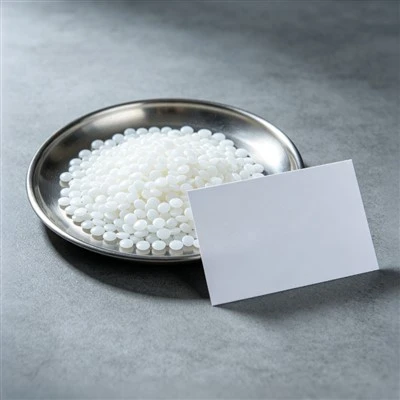
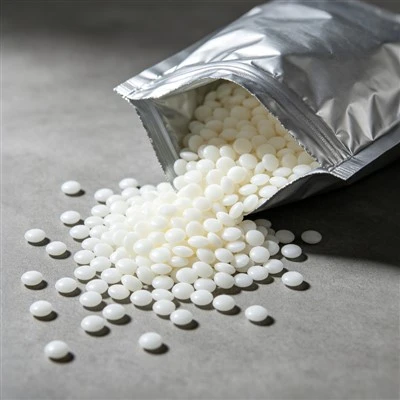
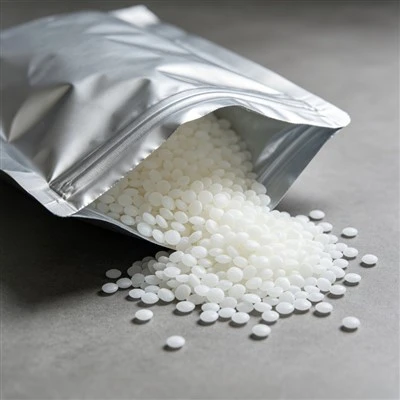
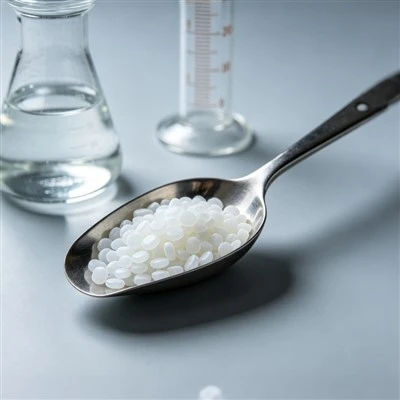
Sustained-release rectal drug products are a growing category, and they demand a base that can hold a consistent release profile over 12 or 24 hours without batch-to-batch drift. Our Pharmaceutical Grade Hard Fat Type 40 is manufactured under GMP for exactly that purpose. The 39–41 °C melting range creates a slow-eroding lipid matrix that extends drug release, and the pharmaceutical-grade impurity controls ensure that oxidation-sensitive APIs remain stable over the full shelf-life claim.
We know that sustained-release products carry higher regulatory scrutiny - the release rate is a critical quality attribute, and any variation in the base can trigger an out-of-specification result. That is why we tighten every relevant parameter: acid value ≤0.5, peroxide value ≤2.0, hydroxyl value controlled to ±5 mg KOH/g, and full microbial enumeration on every lot. When your QA team reviews our CoA, they will see a supplier that understands what 'critical excipient' means.
GMP High-Melting Grade Quality Parameters
|
Pharmacopeial Name |
Hard Fat (Mixed Fatty Acid Glycerides), Pharmaceutical Grade, Type 40 |
|
CAS Number |
136626-73-8 |
|
Pharmacopeial Compliance |
ChP 2025 (Part IV, Excipients) |
|
Melting Range |
30–45 °C, within ±2 °C of labeled value (labeled: 40 °C; ChP General Rule 0612, Method II) |
|
Appearance |
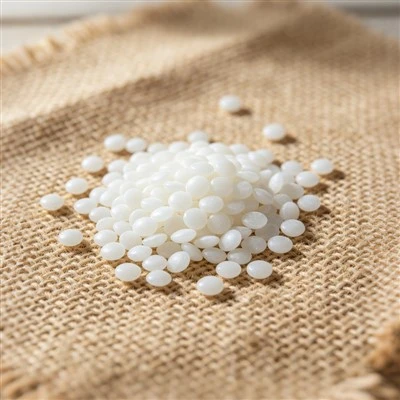
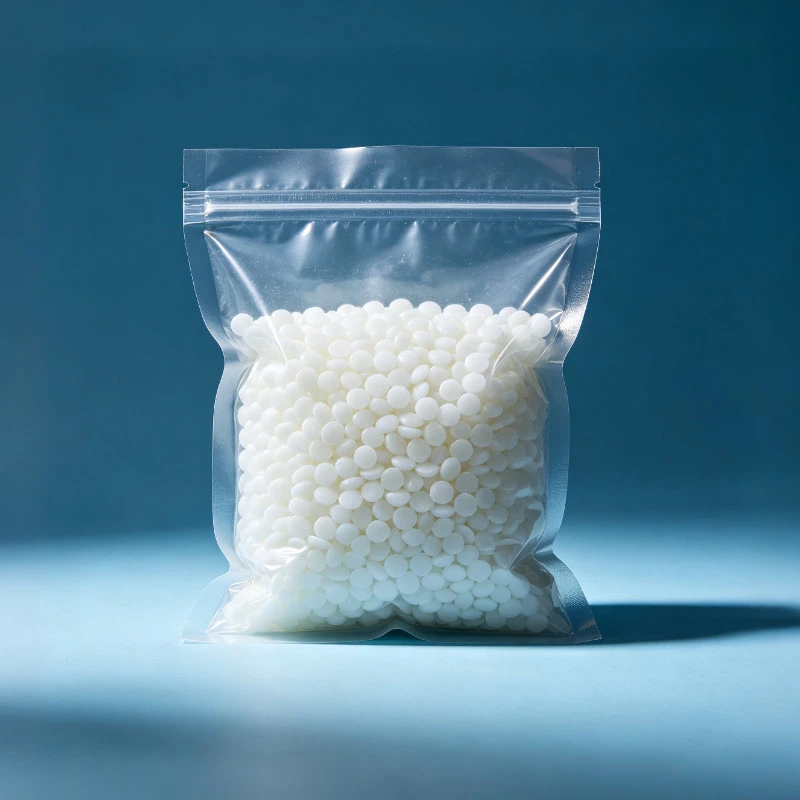
White or almost white waxy solid, faint characteristic fatty odor |
|
Solubility |
Freely soluble in dichloromethane; practically insoluble in water and ethanol |
|
Acid Value |
≤ 0.5 mg KOH/g (ChP General Rule 0713) |
|
Hydroxyl Value |
≤ 50 mg KOH/g, within ±5 of labeled value (labeled: 35); if labeled value < 5, measured value ≤ 5 (ChP General Rule 0713) |
|
Iodine Value |
≤ 2.0 (ChP General Rule 0713) |
|
Peroxide Value |
≤ 3.0 meq/kg (ChP General Rule 0713) |
|
Saponification Value |
215–260 mg KOH/g, 95 %–105 % of labeled value (labeled: 218; ChP General Rule 0713) |
|
Unsaponifiable Matter |
≤ 3.0 % (ChP General Rule 0713) |
|
Alkaline Impurities |
≤ 0.15 ml of 0.01 mol/L hydrochloric acid volumetric solution |
|
Total Ash |
≤ 0.05 % (ChP General Rule 2302) |
|
Heavy Metals |
≤ 10 ppm (ChP General Rule 0821, Method I) |
|
Microbial Limit |
TAMC ≤ 10³ CFU/g; TYMC ≤ 10² CFU/g; E. coli, Salmonella, S. aureus absent |
|
Category |
Pharmaceutical excipient, suppository base and release modifier |
|
Storage |
Protect from light, store at a temperature at least 5 °C below the labeled melting point |
|
Labeling |
Labeled values of melting point, hydroxyl value, and saponification value shall be stated on the certificate of analysis and packaging |
GMP-Grade Sustained-Release Base for Prescription Opioids and IBD Products
Critical quality attribute: consistent release rate
For sustained-release products, the release rate is a CQA, and any base variation triggers an OOS. We control hydroxyl value to ±5 of labeled and melting point to ±2 °C of labeled, so your dissolution profile stays consistent lot to lot - no surprise deviations at stability timepoints.
Proven in prescription sustained-release products
Type 40 pharmaceutical grade is specified for 12-hour rectal morphine and oxycodone, rectal mesalamine for ulcerative colitis maintenance, and vaginal progesterone for luteal-phase support. If your development pipeline includes any of these, this is the grade to qualify.
In-house dissolution data to accelerate development
We have generated USP Apparatus II dissolution data for model APIs (paracetamol, theophylline) in pure Type 40 and Type 40/Type 36 blends. This data is available under confidentiality agreement and gives your formulation team a starting point that saves months of screening.
Dedicated technical contact through development
For clients developing Type 40-based sustained-release products, we assign a dedicated technical contact who can advise on blend optimization, processing parameters (melt temperature, API addition temperature, pour temperature), and troubleshooting. This is not a sales rep - it is a formulation chemist.
Sustained-Release Rectal and Vaginal Drug Products
Pharmaceutical Grade Type 40 is specified for sustained-release rectal opioids (morphine sulfate, oxycodone), rectal mesalamine for ulcerative colitis maintenance, and vaginal progesterone for luteal-phase support. It is also used in rectal indomethacin suppositories for post-ERCP pancreatitis prophylaxis, where a slower release reduces local irritation.
For sustained-release formulations, Type 40 is often blended with Type 36 in ratios ranging from 30:70 to 70:30 to achieve the target release rate. The higher the Type 40 fraction, the slower the release. Our technical team can provide in vitro dissolution data for common blend ratios using USP Apparatus II (paddle) with sink conditions, to accelerate your formulation development.
Processing: melt at 50–55 °C, add API at 42–46 °C, pour at 40–43 °C. For heat-sensitive APIs, consider a solvent-granulation approach or use a lower-melting grade with a higher blend ratio of Type 40.
Supply Continuity for GMP Clients
Lead times are prompt for stock batches and follow a standard schedule for validation or custom batches. We maintain a dedicated safety stock of pharmaceutical-grade material to cover emergency orders and protect your production schedule. For clients on annual contracts, we offer dedicated production capacity and price protection.
Questions Procurement Teams Ask Us
Hot Tags: adeps solidus 40, China adeps solidus 40 manufacturers, suppliers, factory