
Pharmaceutical Grade Hard Fat Type 38 - GMP Mid-Melting Base for Warm-Market Drug Products
When your registered drug product is destined for markets where 'room temperature' means 35 °C and a warehouse roof can hit 50 °C, you need a base that meets both pharmacopeial standards and real-world logistics. Our Pharmaceutical Grade Hard Fat Type 38 combines a 37–39 °C melting range with full GMP manufacturing and a complete regulatory documentation package. It is the grade that global pharma companies specify for mesalamine rectal suspensions, diclofenac suppositories, and anti-emetic products distributed across the Middle East, Africa, and Southeast Asia.
We understand that a change of supplier for a registered excipient triggers a regulatory filing. That is why we offer a 6-month pre-qualification sample program and full change-control commitments - so switching to us does not become a regulatory nightmare for your team.
GMP Quality Parameters and Pharmacopeial Compliance
|
Pharmacopeial Name |
Hard Fat (Mixed Fatty Acid Glycerides), Pharmaceutical Grade, Type 38 |
|
CAS Number |
136626-73-8 |
|
Pharmacopeial Compliance |
ChP 2025 (Part IV, Excipients) |
|
Melting Range |
30–45 °C, within ±2 °C of labeled value (labeled: 38 °C; ChP General Rule 0612, Method II) |
|
Appearance |
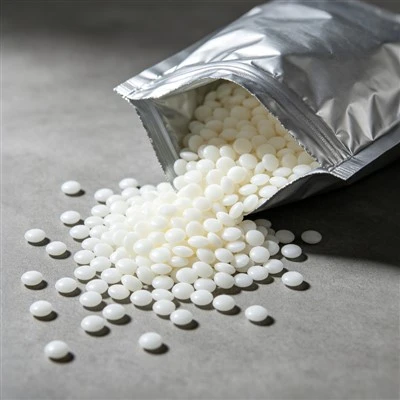
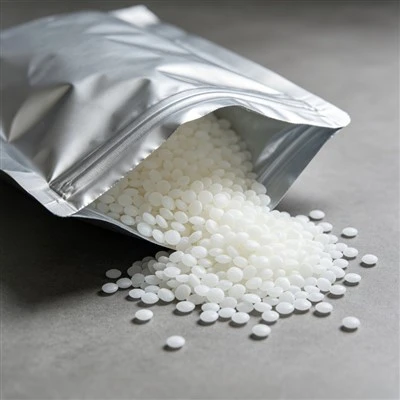
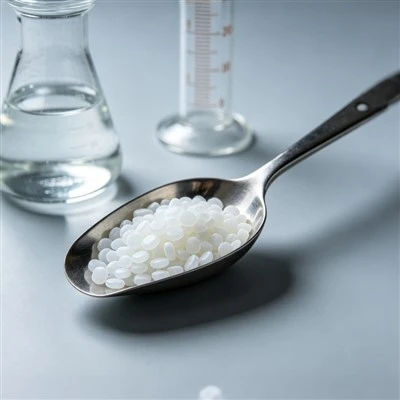
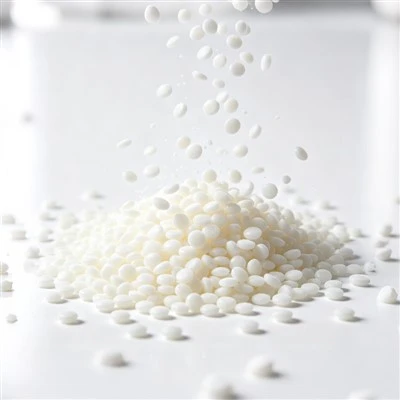
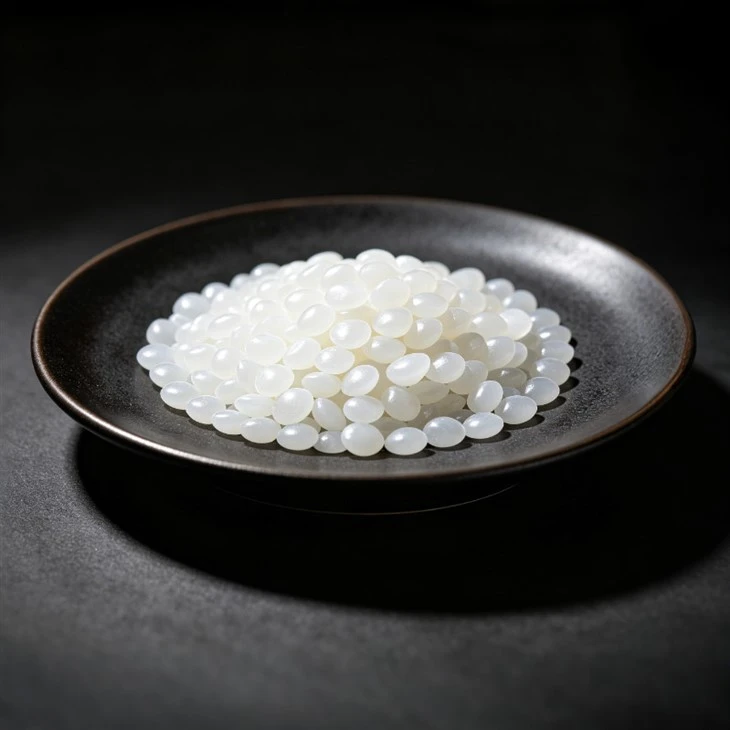
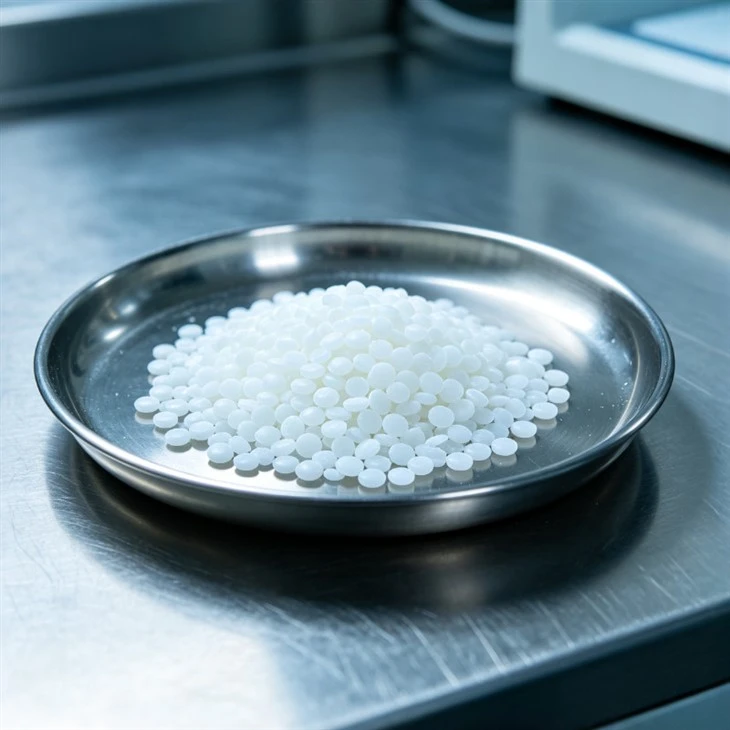
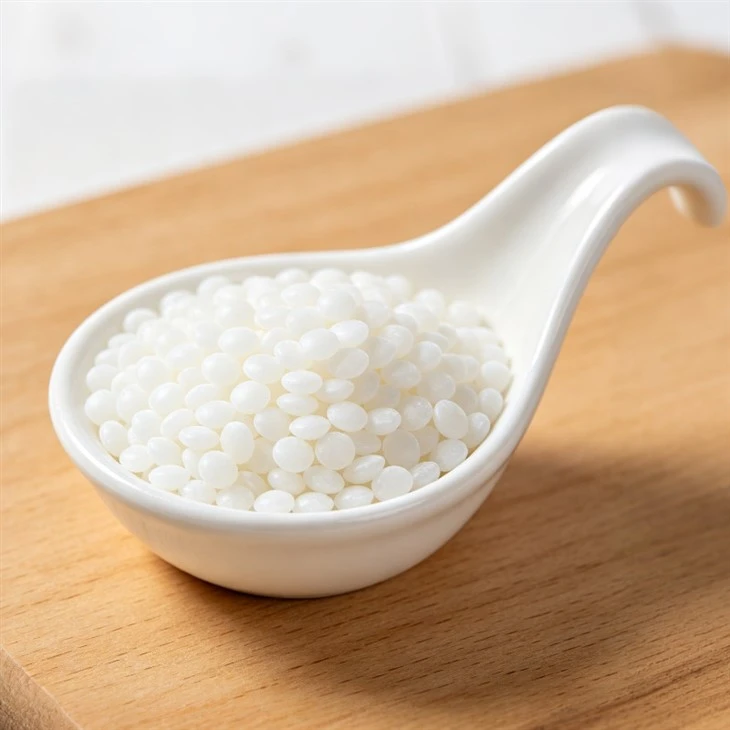
White or almost white waxy solid, faint characteristic fatty odor |
|
Solubility |
Freely soluble in dichloromethane; practically insoluble in water and ethanol |
|
Acid Value |
≤ 0.5 mg KOH/g (ChP General Rule 0713) |
|
Hydroxyl Value |
≤ 50 mg KOH/g, within ±5 of labeled value (labeled: 40); if labeled value < 5, measured value ≤ 5 (ChP General Rule 0713) |
|
Iodine Value |
≤ 2.0 (ChP General Rule 0713) |
|
Peroxide Value |
≤ 3.0 meq/kg (ChP General Rule 0713) |
|
Saponification Value |
215–260 mg KOH/g, 95 %–105 % of labeled value (labeled: 222; ChP General Rule 0713) |
|
Unsaponifiable Matter |
≤ 3.0 % (ChP General Rule 0713) |
|
Alkaline Impurities |
≤ 0.15 ml of 0.01 mol/L hydrochloric acid volumetric solution |
|
Total Ash |
≤ 0.05 % (ChP General Rule 2302) |
|
Heavy Metals |
≤ 10 ppm (ChP General Rule 0821, Method I) |
|
Microbial Limit |
TAMC ≤ 10³ CFU/g; TYMC ≤ 10² CFU/g; E. coli, Salmonella, S. aureus absent |
|
Category |
Pharmaceutical excipient, suppository base and release modifier |
|
Storage |
Protect from light, store at a temperature at least 5 °C below the labeled melting point |
|
Labeling |
Labeled values of melting point, hydroxyl value, and saponification value shall be stated on the certificate of analysis and packaging |
The Grade Global Pharma Specifies for Warm-Market Drug Products
Proven in registered warm-climate products
Type 38 pharmaceutical grade is specified for rectal mesalamine (ulcerative colitis), rectal diclofenac and ketoprofen, and rectal anti-emetics distributed across the Middle East, Africa, and Southeast Asia. If your product is destined for these markets, this is the grade your competitors are already using.
Real-time stability data up to 36 months
We have ongoing stability studies at 25 °C/60 % RH and 30 °C/75 % RH (accelerated), covering melting range, acid value, peroxide value, and microbial enumeration. The report is available as part of your regulatory filing package - no need to run a 2-year study from scratch.
No polymorphism = stable release over shelf life
Unlike cocoa butter, hard fat does not convert between polymorphic forms during storage. The melting point and in vitro release rate stay consistent from batch 1 to the last month of expiry - a critical point for products with 24- or 36-month shelf-life claims.
Quality agreement for annual-contract clients
We provide a formal quality agreement defining change-control timelines, deviation notification, and out-of-specification investigation procedures. This is the document your supplier-quality-management system requires, and we provide it without legal-team back-and-forth.
Registered Drug Products for Warm-Climate Markets
Pharmaceutical Grade Type 38 is specified for rectal mesalamine formulations (ulcerative colitis treatment), rectal diclofenac and ketoprofen suppositories, and rectal anti-emetics such as metoclopramide and ondansetron. It is also used in vaginal misoprostol inserts and progesterone suppositories for reproductive health applications.
The 37–39 °C melting range provides a critical safety margin for products distributed through non-refrigerated supply chains in tropical and subtropical regions. Unlike cocoa butter, hard fat does not exhibit polymorphism, so there is no risk of form conversion during storage that would alter the melting point and release rate. This stability is a major reason regulatory affairs teams prefer hard fat over natural bases for products with 24-month or 36-month shelf-life claims.
Regulatory Documentation and Supply Assurance
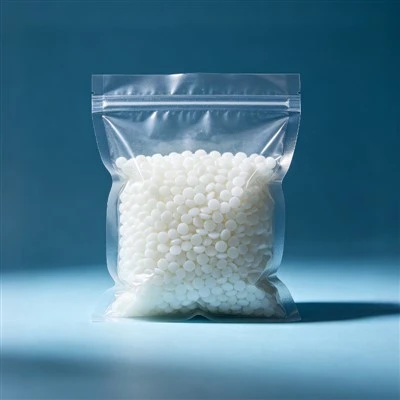
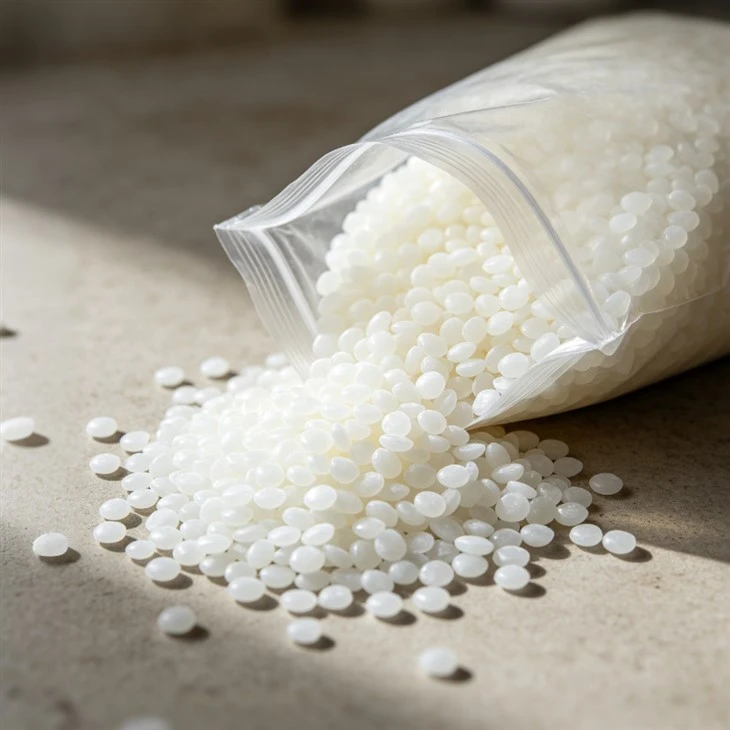
Supplied in secure bulk packaging with protective inner liners, with alternative packaging formats available on request. Each unit carries a unique batch identifier that links to the full batch production record, held on file for an extended period for traceability and regulatory audit purposes.
Documentation per shipment: Certificate of Analysis covering the full test panel including microbial enumeration, Certificate of Origin, TSE/BSE declaration, residual solvents statement, GMP certificate, ISO 9001 certificate, and MSDS. We provide a Letter of Authorization for DMF reference on request. Quality agreements are available for clients with formal supplier-quality-management systems.
Lead times are prompt for stock grades and follow a standard schedule for custom specification or validation batches. We maintain a dedicated safety stock of pharmaceutical-grade material to cover emergency orders and protect your production schedule. For clients on annual contracts, we offer dedicated production slots and a price-lock mechanism for the contract duration.
Questions Procurement Teams Ask Us
Hot Tags: adeps solidus 38, China adeps solidus 38 manufacturers, suppliers, factory