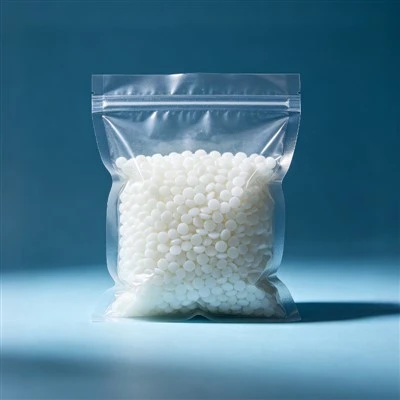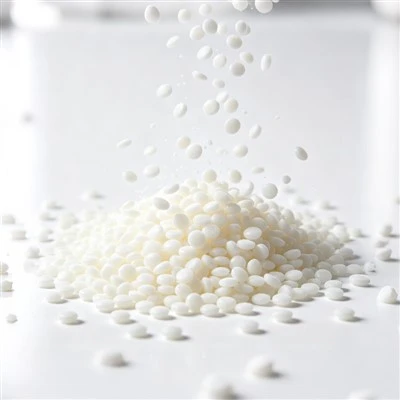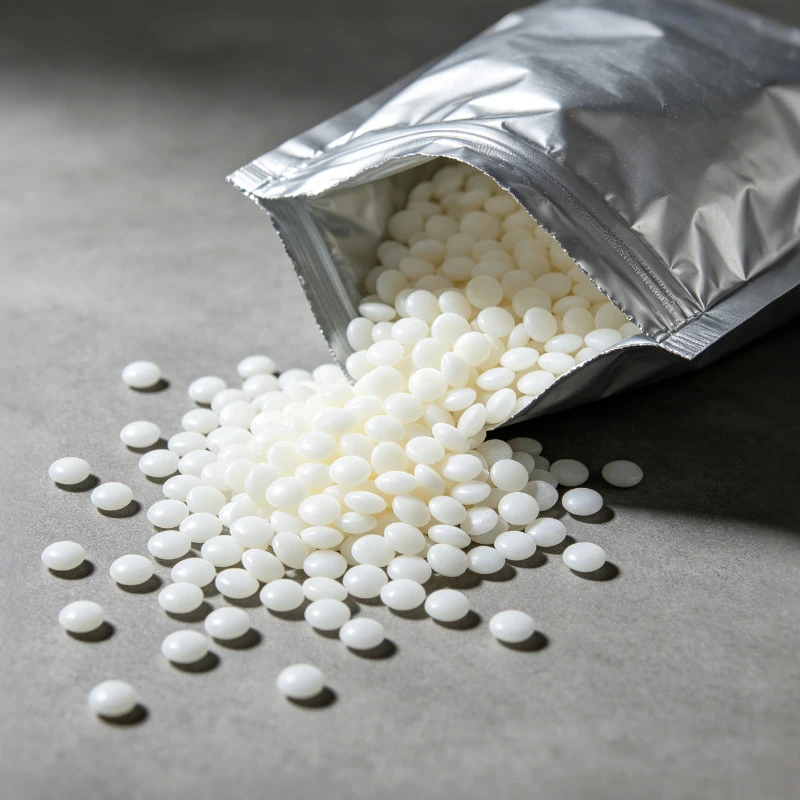
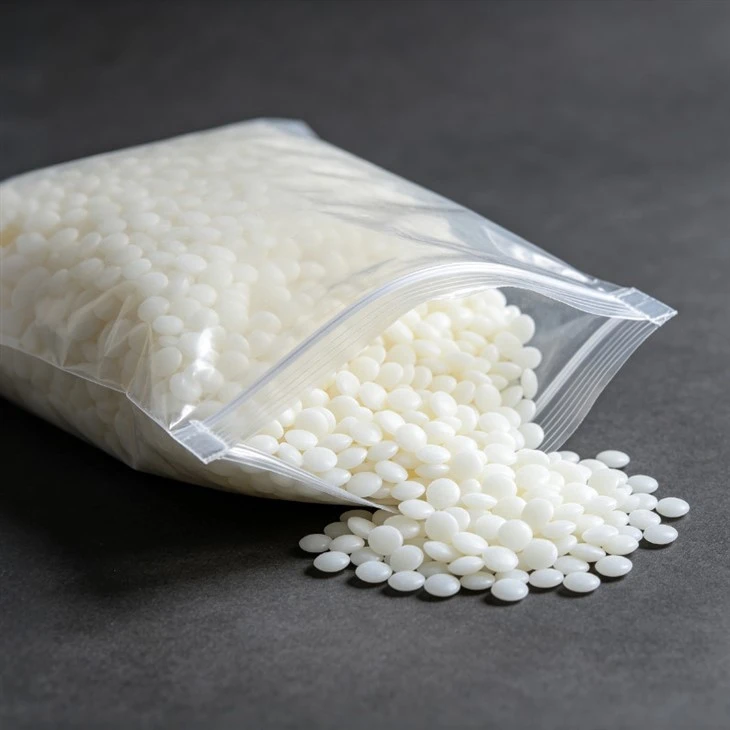
Pharmaceutical Grade Hard Fat Type 34 (H15) - Low-Hydroxyl Hard Base for High-Speed Molding and Brittle-API Formulations
Some suppository lines run so fast that the base's solidification time becomes the bottleneck, not the filling machine. Our Pharmaceutical Grade Hard Fat Type 34 H15 is engineered for exactly that environment. The H15 designation denotes a low-hydroxyl-value grade (≤15 mg KOH/g), which means a higher triglyceride content, a firmer texture, and a faster set in the mold. On a rotary molding line, this translates to shorter cooling-tunnel dwell time, higher output per shift, and fewer broken suppositories at demolding.
The 33–35 °C melting range is the lowest in our catalog, giving the fastest in vivo release onset - ideal for rescue analgesics, anti-pyretics, and anti-emetics where the patient needs rapid symptom relief. If your current base is causing a 2-minute solidification delay that caps your line speed, ask for an H15 sample and run it on your equipment. The throughput difference will be measurable on the first shift.
Low-Hydroxyl Grade Quality Parameters
|
Pharmacopeial Name |
Hard Fat (Mixed Fatty Acid Glycerides), Pharmaceutical Grade, Type 34 - H15 low-hydroxyl grade |
|
CAS Number |
136626-73-8 |
|
Pharmacopeial Compliance |
ChP 2025 (Part IV, Excipients) |
|
Melting Range |
30–45 °C, within ±2 °C of labeled value (labeled: 34 °C; ChP General Rule 0612, Method II) |
|
Appearance |
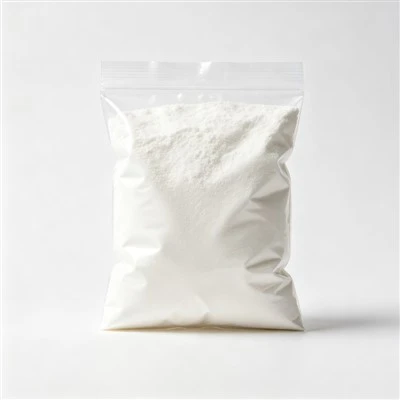
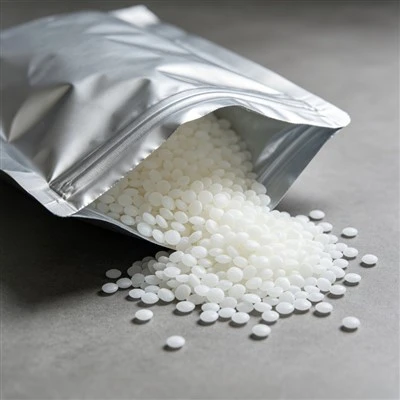
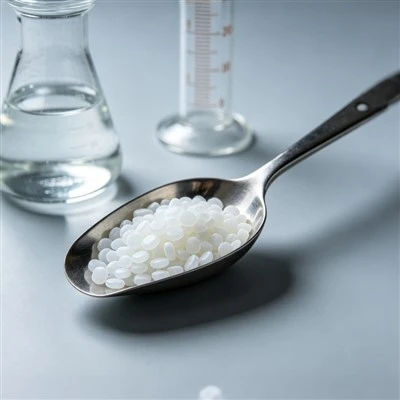
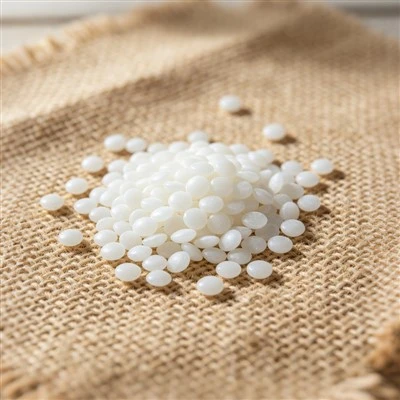
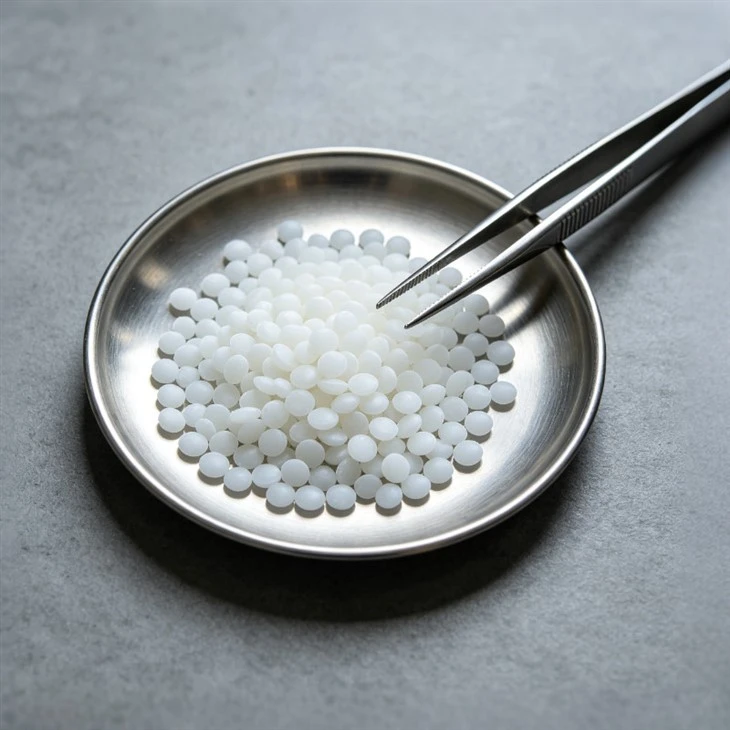
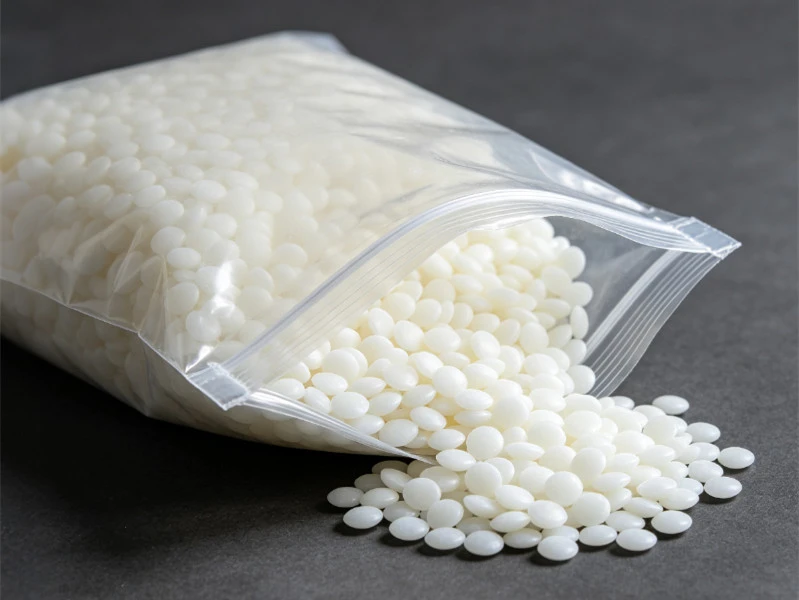
White or almost white waxy solid, faint characteristic fatty odor |
|
Solubility |
Freely soluble in dichloromethane; practically insoluble in water and ethanol |
|
Acid Value |
≤ 0.5 mg KOH/g (ChP General Rule 0713) |
|
Hydroxyl Value |
≤ 50 mg KOH/g, within ±5 of labeled value (labeled: 15); if labeled value < 5, measured value ≤ 5 (ChP General Rule 0713) |
|
Iodine Value |
≤ 2.0 (ChP General Rule 0713) |
|
Peroxide Value |
≤ 3.0 meq/kg (ChP General Rule 0713) |
|
Saponification Value |
215–260 mg KOH/g, 95 %–105 % of labeled value (labeled: 230; ChP General Rule 0713) |
|
Unsaponifiable Matter |
≤ 3.0 % (ChP General Rule 0713) |
|
Alkaline Impurities |
≤ 0.15 ml of 0.01 mol/L hydrochloric acid volumetric solution |
|
Total Ash |
≤ 0.05 % (ChP General Rule 2302) |
|
Heavy Metals |
≤ 10 ppm (ChP General Rule 0821, Method I) |
|
Microbial Limit |
TAMC ≤ 10³ CFU/g; TYMC ≤ 10² CFU/g; E. coli, Salmonella, S. aureus absent |
|
Category |
Pharmaceutical excipient, suppository base and release modifier |
|
Storage |
Protect from light, store at a temperature at least 5 °C below the labeled melting point |
|
Labeling |
Labeled values of melting point, hydroxyl value, and saponification value shall be stated on the certificate of analysis and packaging |
Engineered for High-Speed Rotary Molding and Fast Onset
40–50 % faster solidification
Hydroxyl value ≤15 means a high triglyceride fraction and minimal mono-/diglycerides, which translates to a 2–3 minute set at 15 °C mold temperature versus 4–6 minutes for standard Type 34. On a rotary line, that is 40–50 % more output per shift - measurable on the first trial run.
Fastest in vivo onset in the catalog
Labeled melting point 34 °C (33–35 °C range) is the lowest we offer. For rescue analgesics, anti-pyretics, and anti-emetics where the patient needs rapid symptom relief, this grade delivers drug faster than any other in our range.
Firm, non-greasy finished product
The low hydroxyl value produces a harder, less oily suppository that peels cleanly from plastic shells and does not deform in the patient's hand. If your customer complaints include 'suppository too soft' or 'breaks when removing wrapper,' H15 is the fix.
Reduced API interaction risk
Minimal mono-/diglycerides mean fewer free hydroxyl groups available to react with amine-containing APIs. For formulations with metoclopramide, ondansetron, or other amine drugs, H15 reduces the risk of adduct formation over shelf life.
High-Speed Production and Rapid-Onset Dosage Forms
H15 is the grade for paracetamol (acetaminophen) suppositories, ibuprofen suppositories, and rectal diclofenac products where rapid onset is a labeled claim. The low hydroxyl value means minimal mono-/diglyceride content, which reduces the risk of interaction with amine-containing APIs and produces a firmer, less greasy finished suppository. This is particularly important for products packaged in peel-apart plastic shells, where a soft base can cause the suppository to deform when the patient removes the packaging.
Processing parameters: melt at 40–45 °C (do not exceed 50 °C, as the low-hydroxyl fraction can degrade at higher temperatures), add API at 36–38 °C, pour at 35–37 °C. Mold cooling at 10–15 °C will give a solidification time of 2–3 minutes - significantly faster than the 4–6 minutes typical of standard Type 34. The material is compatible with all standard suppository shell materials (PVC, PE, aluminum).
Bulk Supply and Documentation for GMP Manufacturers
Supplied in secure bulk packaging with protective inner liners. Because H15 is a firmer grade, it is less susceptible to deformation during transit than lower-hardness grades - a bonus for ocean freight. Storage conditions are specified on the Certificate of Analysis and product label; follow the recommended conditions to preserve product quality throughout the shelf-life period.
Full pharmaceutical-grade documentation package included: CoA, CoO, TSE/BSE statement, residual solvents declaration, GMP certificate, and MSDS. DMF reference LOA available on request. Quality agreements and change-control commitments with adequate advance notification are standard for annual-contract clients.
Lead times follow a standard schedule; H15 is produced on a dedicated campaign basis, so we recommend placing orders in advance to align with your production schedule. For standing-order clients, we reserve production capacity and maintain a dedicated safety stock.
Questions Procurement Teams Ask Us
Hot Tags: adeps solidus 34h15, China adeps solidus 34h15 manufacturers, suppliers, factory