Medical Grade Mixed Glycerides of Fatty Acids Type 34 (W35) - Suppository Base with Enhanced Hydrophilic Dispersion
If your formulation line runs rectal or vaginal suppositories loaded with water-soluble APIs, you already know the pain point: a plain lipid base stratifies the active ingredient before the mold sets. Our Medical Grade Mixed Glycerides of Fatty Acids Type 34 W35 solves that problem directly. Engineered with a controlled fraction of mono- and diglycerides, this grade carries built-in emulsifying capacity so hydrophilic drugs disperse uniformly through the melt - no separate surfactant addition, no batch-to-batch sedimentation. We cut out the retail middlemen and ship from the production floor, which means your cost per kilogram stays predictable and your margin on finished dosage forms stays healthy.
Why Type 34 W35 Belongs on Your Dispensing Line
|
Pharmacopeial Name |
Mixed Glycerides of Fatty Acids, Medical Grade, Type 34 - W35 hydrophilic-modified |
|
CAS Number |
136626-73-8 |
|
Pharmacopeial Compliance |
ChP 2025 (Part IV, Excipients) |
|
Melting Range |
30–45 °C, within ±2 °C of labeled value (labeled: 34 °C; ChP General Rule 0612, Method II) |
|
Appearance |
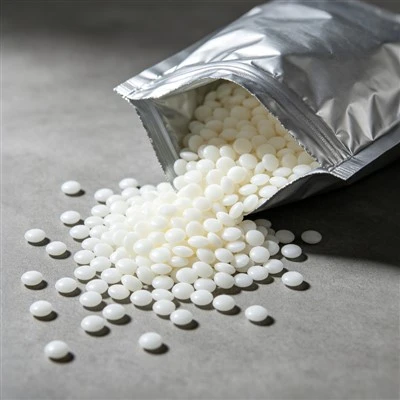
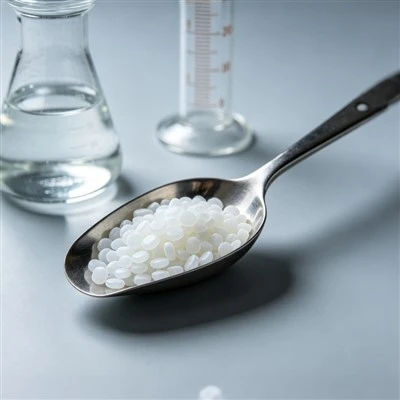
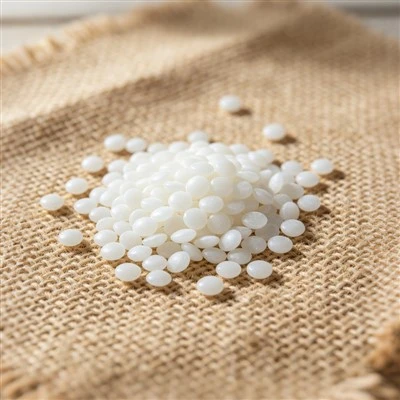
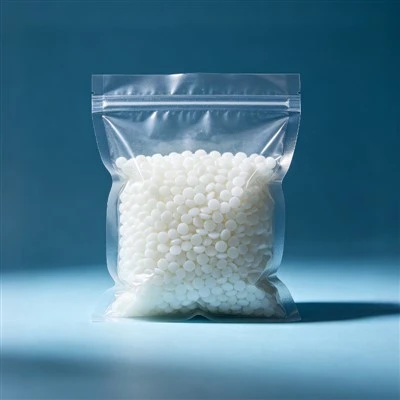
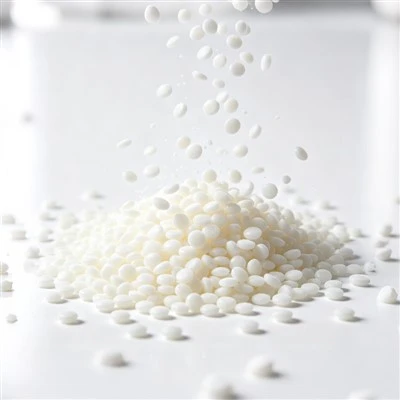
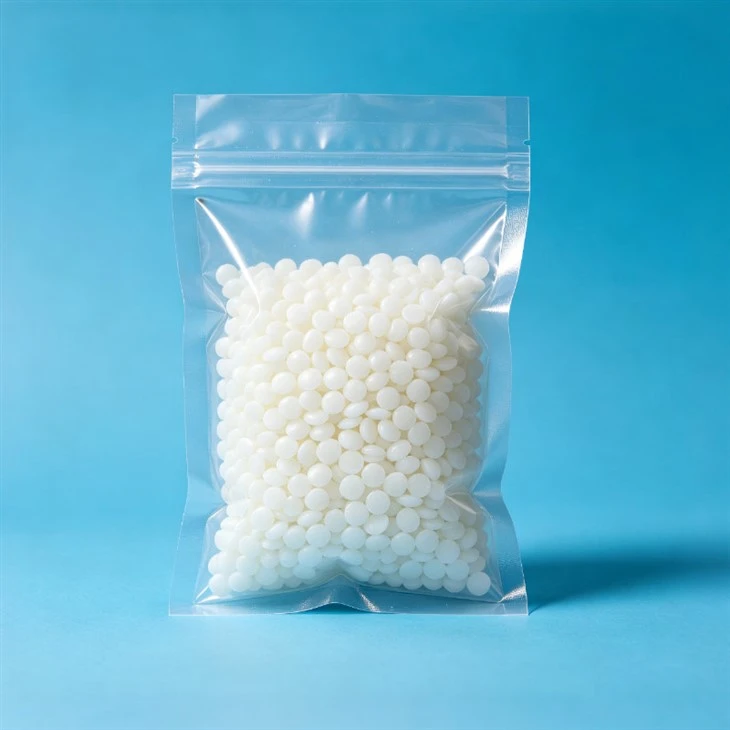
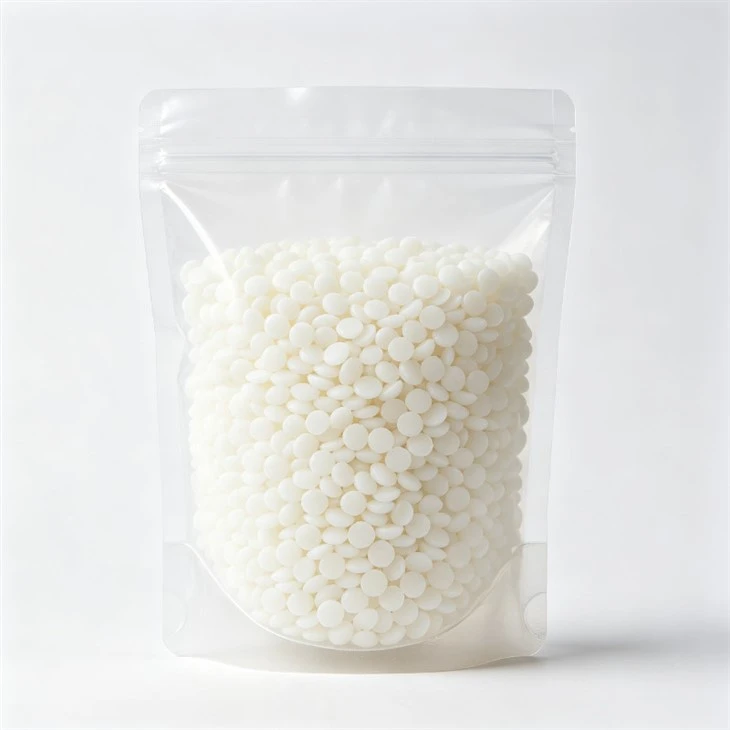
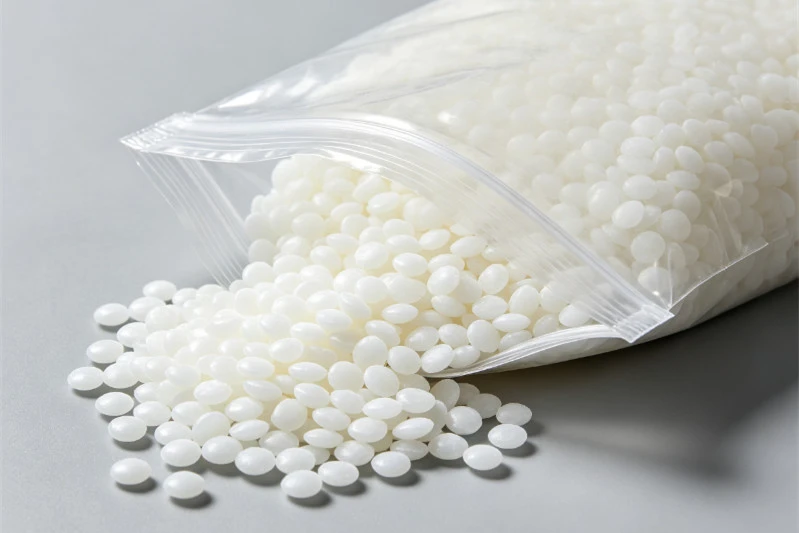
White or almost white waxy solid, faint characteristic fatty odor |
|
Solubility |
Freely soluble in dichloromethane; practically insoluble in water and ethanol |
|
Acid Value |
≤ 0.5 mg KOH/g (ChP General Rule 0713) |
|
Hydroxyl Value |
≤ 50 mg KOH/g, within ±5 of labeled value (labeled: 35); if labeled value < 5, measured value ≤ 5 (ChP General Rule 0713) |
|
Iodine Value |
≤ 2.0 (ChP General Rule 0713) |
|
Peroxide Value |
≤ 3.0 meq/kg (ChP General Rule 0713) |
|
Saponification Value |
215–260 mg KOH/g, 95 %–105 % of labeled value (labeled: 225; ChP General Rule 0713) |
|
Unsaponifiable Matter |
≤ 3.0 % (ChP General Rule 0713) |
|
Alkaline Impurities |
≤ 0.15 ml of 0.01 mol/L hydrochloric acid volumetric solution |
|
Total Ash |
≤ 0.05 % (ChP General Rule 2302) |
|
Heavy Metals |
≤ 10 ppm (ChP General Rule 0821, Method I) |
|
Microbial Limit |
TAMC ≤ 10³ CFU/g; TYMC ≤ 10² CFU/g; E. coli, Salmonella, S. aureus absent |
|
Category |
Pharmaceutical excipient, suppository base and release modifier |
|
Storage |
Protect from light, store at a temperature at least 5 °C below the labeled melting point |
|
Labeling |
Labeled values of melting point, hydroxyl value, and saponification value shall be stated on the certificate of analysis and packaging |
Why Formulators Switch to W35 for Hydrophilic API Suppositories
Built-in self-emulsifying capacity
The W35 mono-/diglyceride fraction lowers interfacial tension enough to keep metronidazole, paracetamol, or herbal extract powders uniformly dispersed - no separate polysorbate or lecithin purchase, no added QC test.
Fastest onset in the catalog
Labeled melting point 34 °C (33–35 °C range) sits just below body temperature, so release begins immediately after administration - the grade rescue analgesics and anti-pyretics are formulated on.
No batch-to-batch sedimentation
We control the hydroxyl value to ±5 of the labeled value, which means the emulsifying capacity is consistent lot to lot. Your dispersion stays homogeneous from the first pour to the last kilogram of the drum.
Full GMP file for registered products
Every shipment carries CoA, TSE/BSE declaration, residual solvents statement, and DMF reference LOA. If your product is an ANDA or NDA filing, we provide the documentation your regulatory team needs without a 6-week chase.
Formulation Fit - Where W35 Pays Off
The W35 modification targets a specific production headache: hydrophilic active ingredients that refuse to stay suspended in a pure triglyceride melt. By retaining a measured mono-/diglyceride fraction, this grade lowers interfacial tension enough to keep metronidazole, paracetamol, or herbal extract powders homogeneously distributed from pour to solidification. The 33–35 °C melting window sits just below body temperature, so release begins promptly after administration without the premature softening that plagues lower-melting grades in tropical warehouses.
Typical deployments include rectal analgesic suppositories, vaginal anti-infective inserts, and veterinary dosage forms where uniform API loading is a release-rate requirement. If your current base requires you to add polysorbate or lecithin at the compounding stage, switching to W35 removes that raw-material line item and the associated QC testing.
Bulk Packaging, Lead Times, and Container Economics
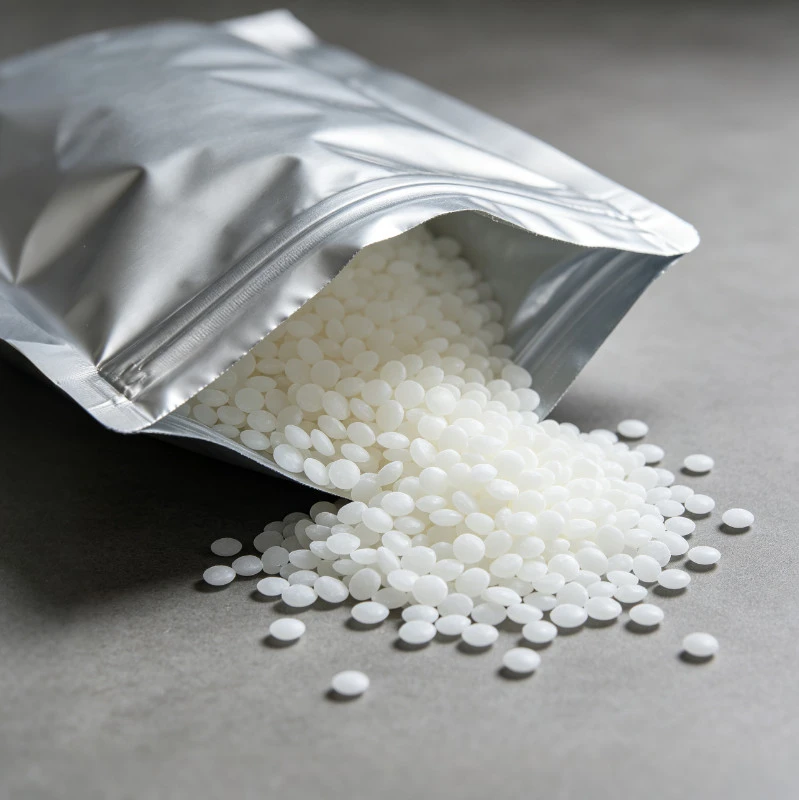
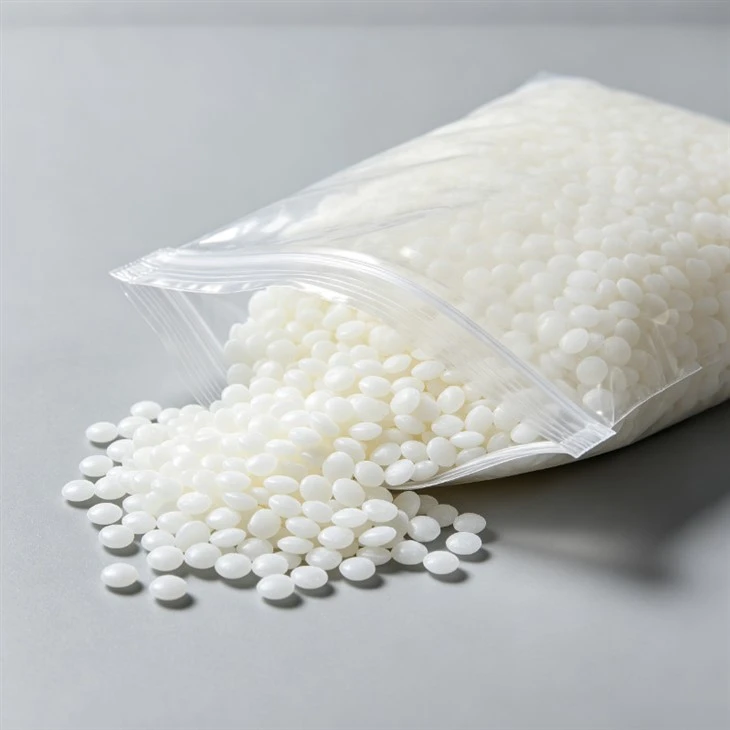
We ship in secure bulk packaging with protective inner liners, with alternative packaging formats available for clients who prefer different handling configurations. Container loading is optimized for both standard and larger-capacity containers; the exact loading configuration is confirmed at order confirmation based on your chosen packaging format. Because the material is solid at ambient temperatures, no cold-chain transport is required - a direct saving on freight that you can book against your landed-cost model.
Questions Procurement Teams Ask Us
Hot Tags: adeps solidus 34w35, China adeps solidus 34w35 manufacturers, suppliers, factory