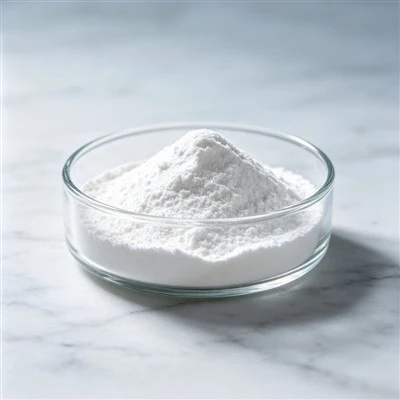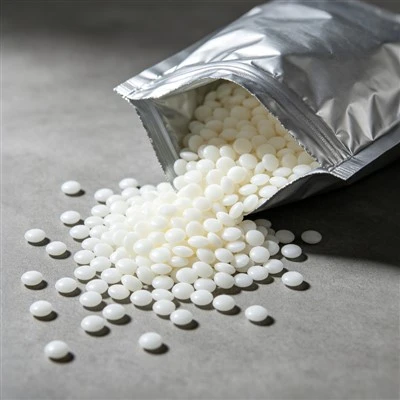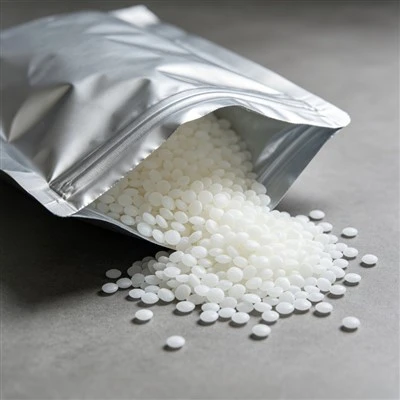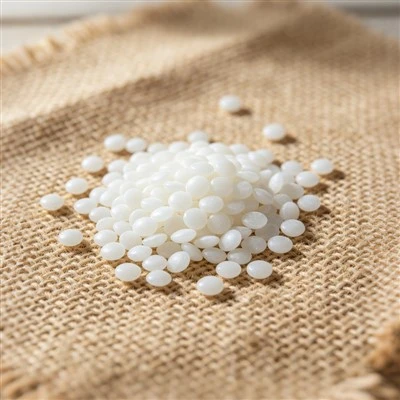
Pharmaceutical Grade Hard Fat Type 36 (S) - GMP-Documented Suppository Base for Regulated Drug Products
When your finished suppository is a registered drug product, the base is not just a raw material - it is a regulatory commitment. Our Pharmaceutical Grade Hard Fat Type 36 S is manufactured under GMP conditions and comes with the full documentation package that your QA and regulatory affairs teams need for DMF filings, ANDA submissions, and EU CEP dossiers. The 35–37 °C melting range is the industry standard for immediate-release rectal dosage forms, and the S-grade hydroxyl profile gives a balanced solidification time that works on both rotary and linear molding equipment.
We know that audit readiness determines whether you get a purchase order at all. Every lot ships with a Certificate of Analysis, a Certificate of Origin, a TSE/BSE statement, and a residual-solvents declaration. We host supplier audits on request, and we provide batch-production records within 5 working days of a formal request.
Pharmacopeial Compliance and Quality Parameters
|
Pharmacopeial Name |
Hard Fat (Mixed Fatty Acid Glycerides), Pharmaceutical Grade, Type 36 - S grade |
|
CAS Number |
136626-73-8 |
|
Pharmacopeial Compliance |
ChP 2025 (Part IV, Excipients) |
|
Melting Range |
30–45 °C, within ±2 °C of labeled value (labeled: 36 °C; ChP General Rule 0612, Method II) |
|
Appearance |
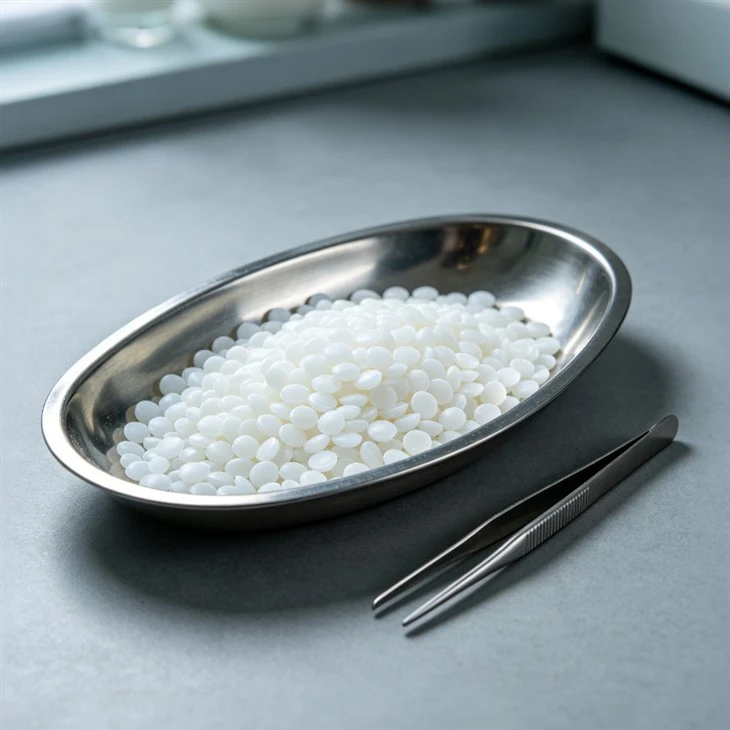
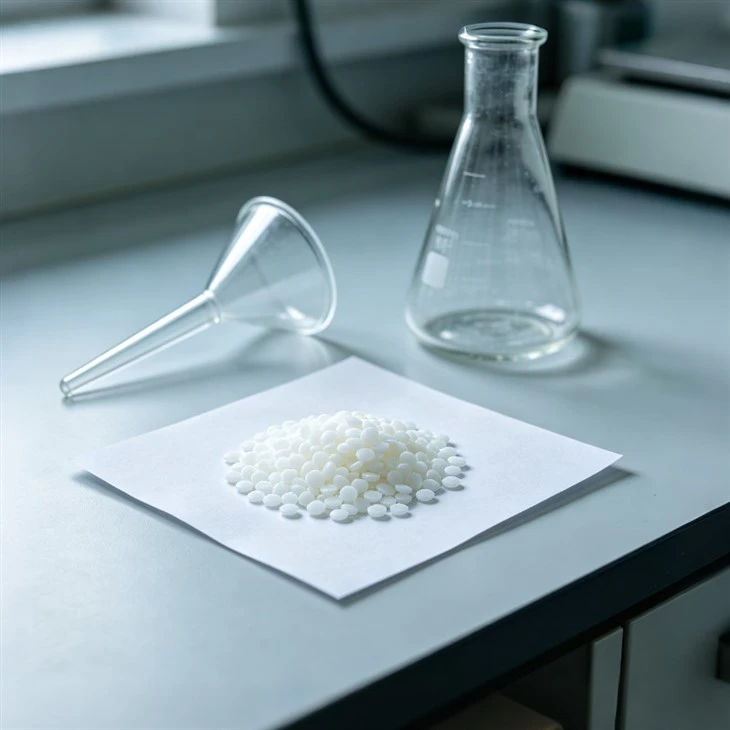
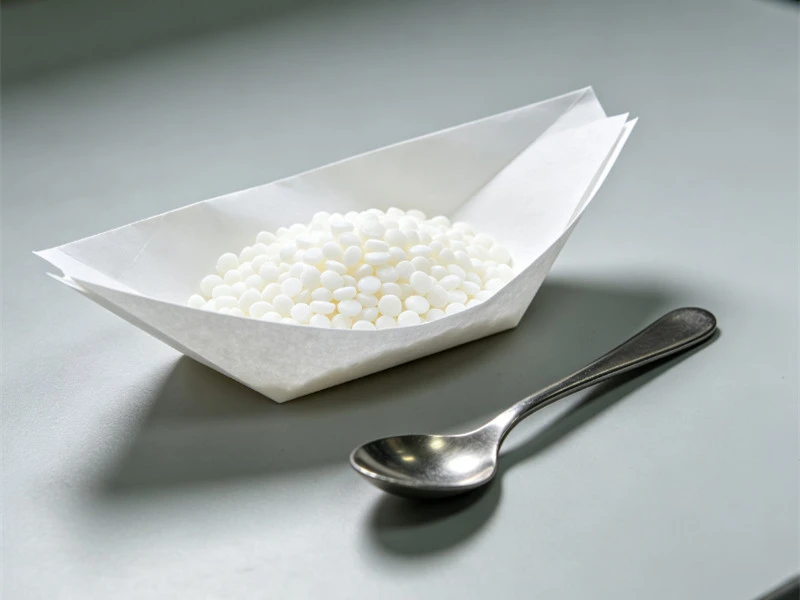
White or almost white waxy solid, faint characteristic fatty odor |
|
Solubility |
Freely soluble in dichloromethane; practically insoluble in water and ethanol |
|
Acid Value |
≤ 0.5 mg KOH/g (ChP General Rule 0713) |
|
Hydroxyl Value |
≤ 50 mg KOH/g, within ±5 of labeled value (labeled: 45); if labeled value < 5, measured value ≤ 5 (ChP General Rule 0713) |
|
Iodine Value |
≤ 2.0 (ChP General Rule 0713) |
|
Peroxide Value |
≤ 3.0 meq/kg (ChP General Rule 0713) |
|
Saponification Value |
215–260 mg KOH/g, 95 %–105 % of labeled value (labeled: 225; ChP General Rule 0713) |
|
Unsaponifiable Matter |
≤ 3.0 % (ChP General Rule 0713) |
|
Alkaline Impurities |
≤ 0.15 ml of 0.01 mol/L hydrochloric acid volumetric solution |
|
Total Ash |
≤ 0.05 % (ChP General Rule 2302) |
|
Heavy Metals |
≤ 10 ppm (ChP General Rule 0821, Method I) |
|
Microbial Limit |
TAMC ≤ 10³ CFU/g; TYMC ≤ 10² CFU/g; E. coli, Salmonella, S. aureus absent |
|
Category |
Pharmaceutical excipient, suppository base and release modifier |
|
Storage |
Protect from light, store at a temperature at least 5 °C below the labeled melting point |
|
Labeling |
Labeled values of melting point, hydroxyl value, and saponification value shall be stated on the certificate of analysis and packaging |
Audit-Ready Grade for Registered Immediate-Release Products
Full GMP documentation - every shipment
CoA with full test panel (including microbial), Certificate of Origin, TSE/BSE declaration, residual solvents statement (ICH Q3C), GMP certificate, and MSDS. Your QA team opens the file and everything is there - no follow-up emails.
Tightened impurity limits that protect your API
Acid value ≤0.5 and peroxide value ≤3.0 reduce the risk of API degradation via esterification and oxidation. If your product contains prostaglandins, benzocaine, or other oxidation-sensitive actives, this grade extends your shelf-life claim.
6-month change-control notification
Any change to raw material source, manufacturing process, or specification gets 6 months written notice - documented in our quality agreement. Switching suppliers does not become a regulatory surprise for your team.
Regulated Dosage Form Applications
This grade is specified for prescription and OTC rectal suppositories, including analgesics (paracetamol, diclofenac), anti-emetics (metoclopramide, ondansetron), and anti-inflammatory agents (mesalamine). It is also suitable for vaginal tablets and inserts where a lipid base is preferred over a PEG system.
The pharmaceutical-grade tightening on acid value (≤0.5) and peroxide value (≤2.0) matters for two reasons: lower free fatty acids reduce the risk of API degradation via esterification, and lower peroxides extend the shelf life of oxidation-sensitive actives such as prostaglandins and benzocaine. If your formulation contains an API with a known incompatibility with fatty-acid impurities, this grade is the safer choice over industrial S grade.
Documentation, Traceability, and Supply Continuity
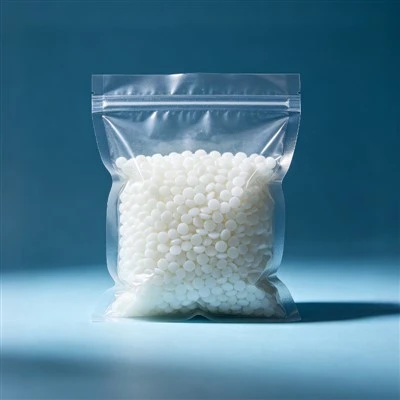
Supplied in secure bulk packaging with protective inner liners, with alternative packaging formats available for clients who prefer different handling configurations. Each unit is labeled with batch number, manufacture date, expiry date, and storage conditions for full traceability through the supply chain. Retained samples are stored for an extended period post-expiry in our on-site stability chamber, available for retrospective comparison or quality investigation at your request.
Documentation package per shipment: Certificate of Analysis covering the full test panel, Certificate of Origin, TSE/BSE-free declaration, residual solvents statement (ICH Q3C), GMP declaration, and material safety data sheet. For clients with standing orders, we provide a quality agreement template that defines change-control notification timelines, ensuring adequate advance notice for any process or specification change.
Lead times are prompt for stock batches and follow a standard schedule for custom specification or validation batches. We maintain a dedicated safety stock of pharmaceutical-grade material to cover emergency orders and protect your production schedule against unforeseen supply disruptions.
Questions Procurement Teams Ask Us
Hot Tags: adeps solidus 36s, China adeps solidus 36s manufacturers, suppliers, factory