Pharmaceutical Grade Hard Fat Type 43 - Maximum-Melting GMP Base for Ultra-Sustained Release and Specialty Formulations
At the top of our melting-range ladder sits Pharmaceutical Grade Hard Fat Type 43 - a 42–44 °C melting-point grade built for the most demanding sustained-release and specialty applications. This is not a commodity grade. It is a specialized excipient for formulation teams developing 24-hour-plus rectal delivery systems, high-potency opioid products, and veterinary long-acting boluses where the base must remain intact for extended periods. If your development program has hit a wall with lower-melting grades because the release rate is too fast, Type 43 is the tool that will let you push the release window further.
We will be transparent: Type 43 is our most expensive grade, and it requires the most formulation development. But for the products that need it - high-value specialty drugs where a 24-hour release profile is a competitive differentiator - the cost of the base is negligible compared with the value of the finished product. If you are developing such a product, let us talk early. Our technical team can help you avoid the common formulation pitfalls that waste months of development time.
Maximum-Melting GMP Grade Parameters
|
Pharmacopeial Name |
Hard Fat (Mixed Fatty Acid Glycerides), Pharmaceutical Grade, Type 43 |
|
CAS Number |
136626-73-8 |
|
Pharmacopeial Compliance |
ChP 2025 (Part IV, Excipients) |
|
Melting Range |
30–45 °C, within ±2 °C of labeled value (labeled: 43 °C; ChP General Rule 0612, Method II) |
|
Appearance |
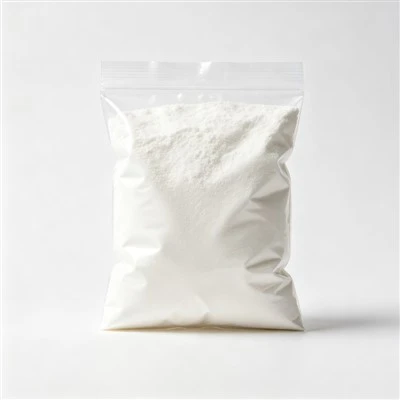
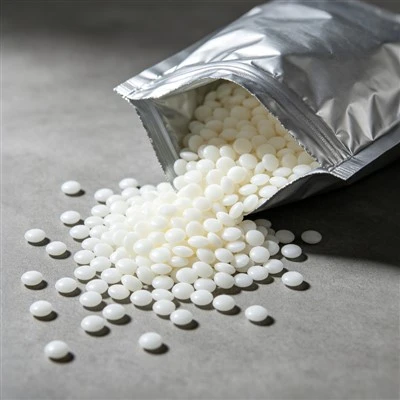
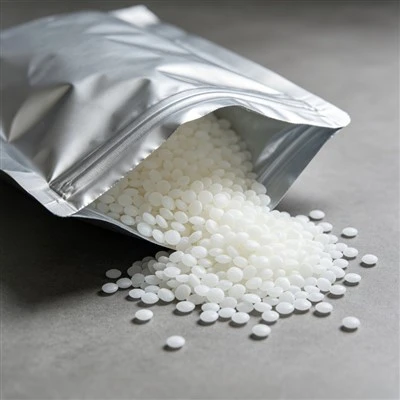
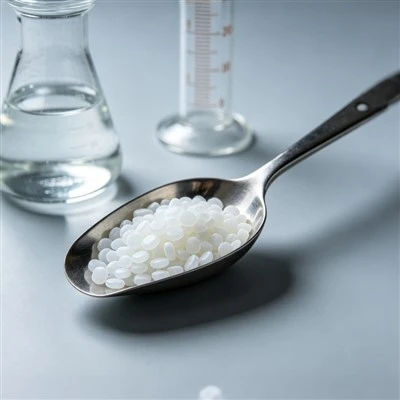
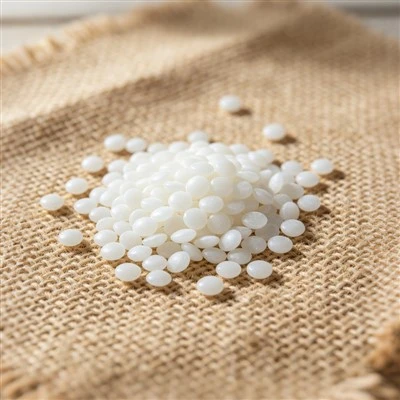
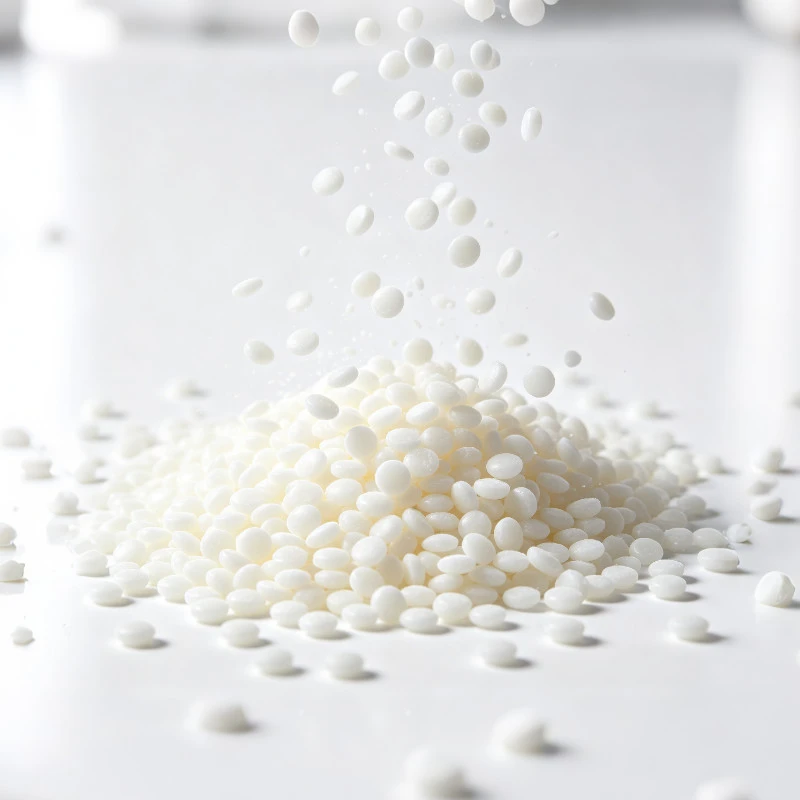
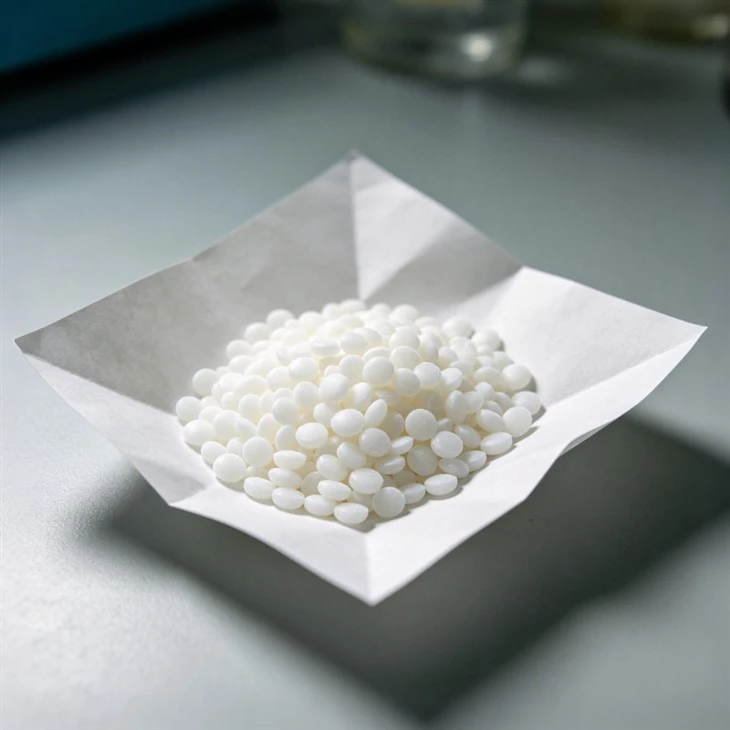
White or almost white waxy solid, faint characteristic fatty odor |
|
Solubility |
Freely soluble in dichloromethane; practically insoluble in water and ethanol |
|
Acid Value |
≤ 0.5 mg KOH/g (ChP General Rule 0713) |
|
Hydroxyl Value |
≤ 50 mg KOH/g, within ±5 of labeled value (labeled: 25); if labeled value < 5, measured value ≤ 5 (ChP General Rule 0713) |
|
Iodine Value |
≤ 2.0 (ChP General Rule 0713) |
|
Peroxide Value |
≤ 3.0 meq/kg (ChP General Rule 0713) |
|
Saponification Value |
215–260 mg KOH/g, 95 %–105 % of labeled value (labeled: 208; ChP General Rule 0713) |
|
Unsaponifiable Matter |
≤ 3.0 % (ChP General Rule 0713) |
|
Alkaline Impurities |
≤ 0.15 ml of 0.01 mol/L hydrochloric acid volumetric solution |
|
Total Ash |
≤ 0.05 % (ChP General Rule 2302) |
|
Heavy Metals |
≤ 10 ppm (ChP General Rule 0821, Method I) |
|
Microbial Limit |
TAMC ≤ 10³ CFU/g; TYMC ≤ 10² CFU/g; E. coli, Salmonella, S. aureus absent |
|
Category |
Pharmaceutical excipient, suppository base and release modifier |
|
Storage |
Protect from light, store at a temperature at least 5 °C below the labeled melting point |
|
Labeling |
Labeled values of melting point, hydroxyl value, and saponification value shall be stated on the certificate of analysis and packaging |
Our Highest-Melting Grade for 24–36 Hour Specialty Drug Products
Maximum erosion resistance for 24–36 hour release
Labeled 43 °C (42–44 °C range) is the highest melting grade in our catalog. For 24–36 hour sustained-release rectal opioids and specialty anti-inflammatory products, this is the only grade in our range that can hold the release window long enough.
For high-value products where base cost is negligible
Type 43 is our most expensive grade, and we are transparent about that. But for a specialty drug where the finished product sells for hundreds of dollars per unit, the difference between $8/kg and $12/kg of base is a rounding error - while the 36-hour release profile is the product's competitive differentiator.
Custom hydroxyl-value tailoring for your exact target
If our standard Type 43 (labeled hydroxyl 25) does not hit your release rate, we will tailor the mono-/diglyceride ratio to your specification. Custom-grade MOQ is 5 tonnes, and we provide 3 consecutive validation lots with full trend analysis. Tell us your target in vitro release time and we will engineer the base.
Early-stage technical support before you invest
Before you commit to a Type 43 development program, send us your API's physicochemical data - melting point, logP, lipid solubility, thermal stability at 55–60 °C. We will advise on suitability, recommend a starting blend ratio, and flag potential incompatibilities - so you do not waste 6 months on a base that cannot work.
Ultra-Sustained Release and Specialty Drug Products
Pharmaceutical Grade Type 43 is specified for 24-hour to 36-hour sustained-release rectal opioid formulations (morphine, hydromorphone, fentanyl), where the slow erosion of the high-melting lipid matrix provides a steady drug plasma concentration over an extended period. It is also used in rectal corticosteroid formulations for inflammatory bowel disease maintenance therapy, and in veterinary long-acting boluses for cattle and horses where a single administration provides 72 hours of drug delivery.
For human pharmaceutical use, Type 43 is typically blended with Type 36 or Type 38 in ratios of 50:50 to 80:20 (Type 43:lower grade). The exact ratio depends on the target release profile, the API's lipid solubility, and the desired erosion rate. Our technical team can provide preliminary blend recommendations based on your API's physicochemical properties and target release time.
Processing: melt at 55–60 °C (the highest in our catalog). Critical: verify API thermostability at this temperature. For heat-sensitive APIs, use a solvent-granulation approach or consider a lower-melting grade with a higher Type 43 blend ratio. Pour at 44–47 °C. Mold cooling at 5–10 °C for efficient demolding.
Specialty-Grade Supply, Documentation, and Technical Support
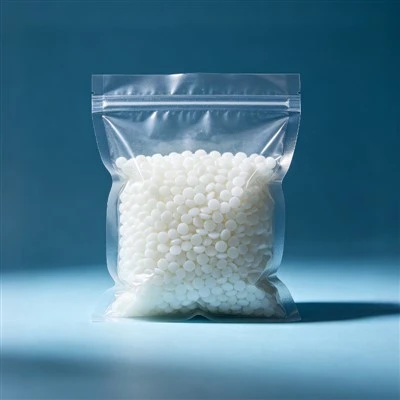
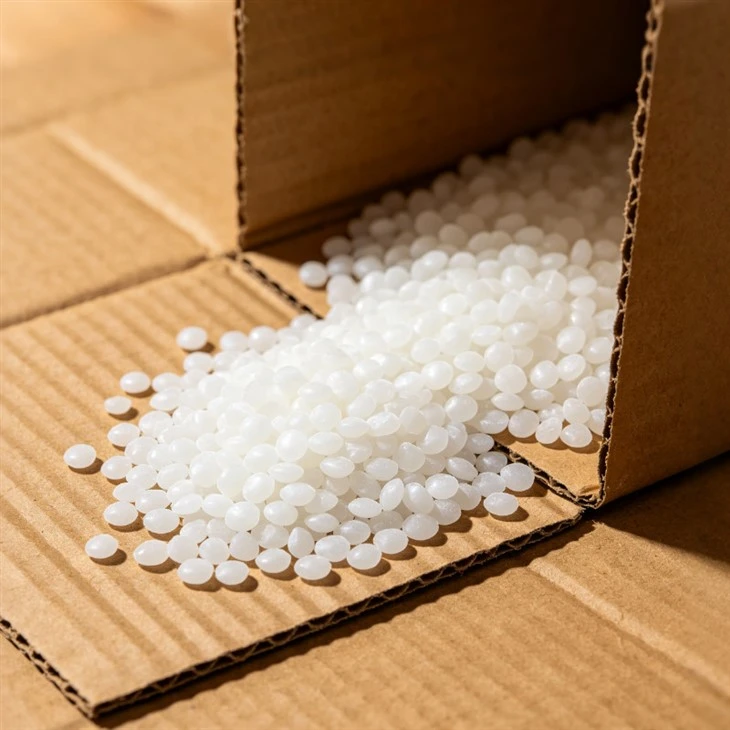
Supplied in secure bulk packaging with protective inner liners, with alternative packaging formats available on request. Type 43 is the most transit-stable grade in our catalog - it will not soften or deform even in the most extreme shipping conditions. No cold chain or insulated container is required.
Full pharmaceutical-grade documentation package: Certificate of Analysis covering the full test panel, Certificate of Origin, TSE/BSE declaration, residual solvents statement, GMP certificate, ISO 9001 certificate, MSDS, and stability study summary. DMF reference LOA available on request. Quality agreements with adequate advance change-control notification are standard.
Because Type 43 is a specialty grade produced on a campaign basis, lead times follow a standard schedule and we recommend placing orders well in advance to align with your production timeline. For annual-contract clients, we offer dedicated production slots, a reserved safety stock allocation, and price protection for the contract duration.
Technical support: for clients developing Type 43-based formulations, we assign a dedicated technical contact who can assist with blend optimization, processing parameter recommendations, and troubleshooting. We can also provide small-scale development samples for formulation screening.
Questions Procurement Teams Ask Us
Hot Tags: adeps solidus 43, China adeps solidus 43 manufacturers, suppliers, factory