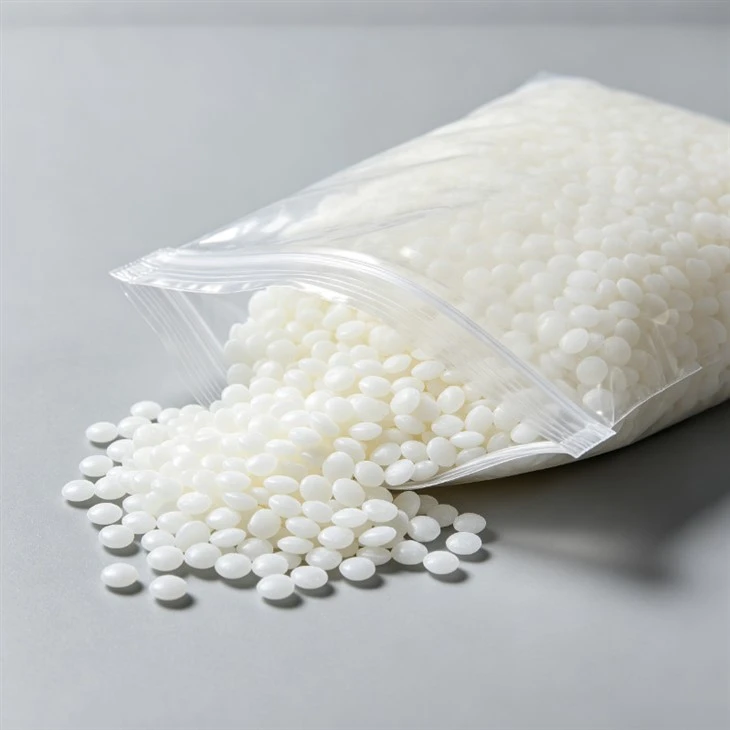
Hard Fat Type 40 - High-Melting Suppository Base for Sustained Release and Hot-Region Supply Chains
Some products need a base that does not give up the moment the thermometer climbs past 38 °C. Our Hard Fat Type 40 carries a 39–41 °C melting range - the highest standard grade in our catalog - built for two specific scenarios: sustained-release suppositories where a slower melt is a feature, not a bug, and distribution chains where ambient temperatures routinely exceed 40 °C. If you have ever opened a shipping container in Jeddah or Jakarta and found a pallet of suppositories that look like melted candles, this grade is the answer.
We do not pretend a higher melting point solves every problem - it changes the release kinetics, and your formulation team needs to account for that. What we do guarantee is consistent batch-to-batch melting behavior, so once you have validated your release profile, it will not drift from lot to lot.
High-Melting Grade Specifications
|
Pharmacopeial Name |
Hard Fat (Mixed Fatty Acid Glycerides), Standard (Industrial) Grade, Type 40 |
|
CAS Number |
136626-73-8 |
|
Pharmacopeial Compliance |
ChP 2025 (Part IV, Excipients) |
|
Melting Range |
30–45 °C, within ±2 °C of labeled value (labeled: 40 °C; ChP General Rule 0612, Method II) |
|
Appearance |
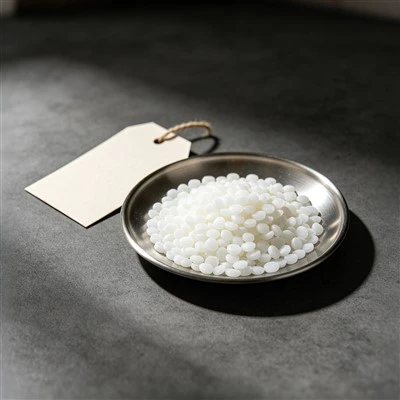
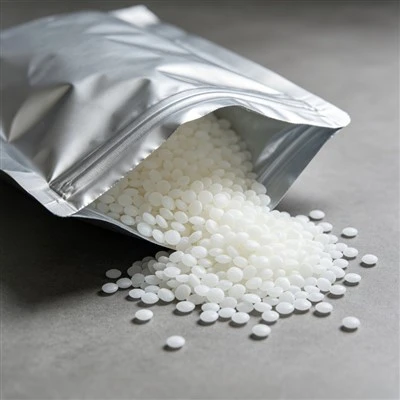
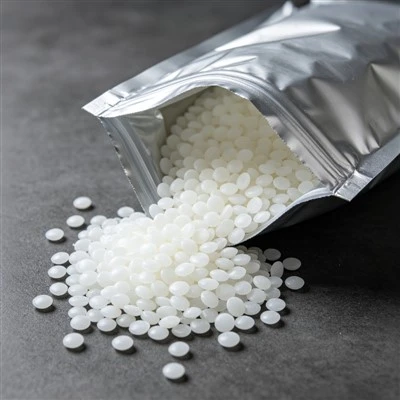
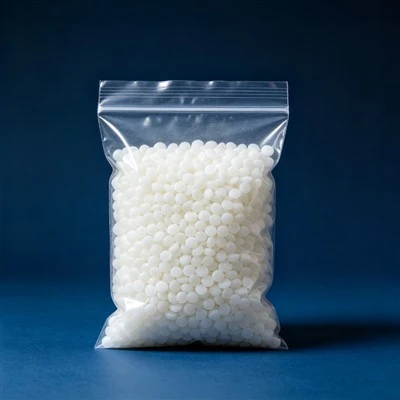
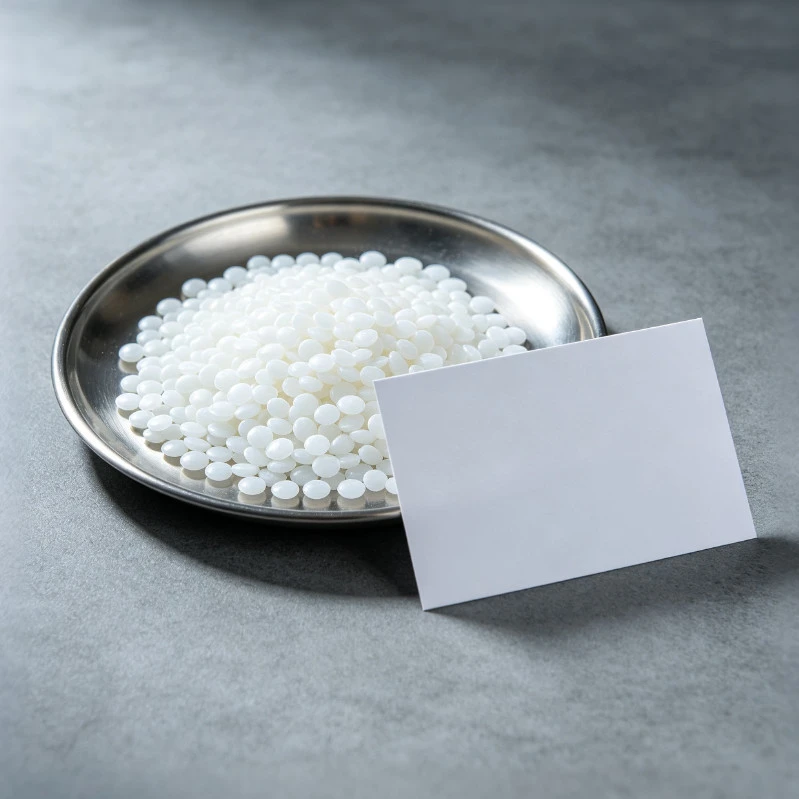
White or almost white waxy solid, faint characteristic fatty odor |
|
Solubility |
Freely soluble in dichloromethane; practically insoluble in water and ethanol |
|
Acid Value |
≤ 0.5 mg KOH/g (ChP General Rule 0713) |
|
Hydroxyl Value |
≤ 50 mg KOH/g, within ±5 of labeled value (labeled: 35); if labeled value < 5, measured value ≤ 5 (ChP General Rule 0713) |
|
Iodine Value |
≤ 2.0 (ChP General Rule 0713) |
|
Peroxide Value |
≤ 3.0 meq/kg (ChP General Rule 0713) |
|
Saponification Value |
215–260 mg KOH/g, 95 %–105 % of labeled value (labeled: 218; ChP General Rule 0713) |
|
Unsaponifiable Matter |
≤ 3.0 % (ChP General Rule 0713) |
|
Alkaline Impurities |
≤ 0.15 ml of 0.01 mol/L hydrochloric acid volumetric solution |
|
Total Ash |
≤ 0.05 % (ChP General Rule 2302) |
|
Heavy Metals |
≤ 20 ppm (ChP General Rule 0821, Method I) [industrial-grade limit] |
|
Category |
Pharmaceutical excipient, suppository base and release modifier |
|
Storage |
Protect from light, store at a temperature at least 5 °C below the labeled melting point |
|
Labeling |
Labeled values of melting point, hydroxyl value, and saponification value shall be stated on the certificate of analysis and packaging |
The Sustained-Release Workhorse for 12-Hour Products
Slow-eroding matrix for extended release
Labeled 40 °C (39–41 °C range) creates a lipid matrix that erodes gradually at body temperature, delivering drug over 10–14 hours. This is the grade 12-hour rectal analgesics and anti-inflammatories are built on.
Blendable to hit your exact release target
Mix Type 40 with Type 36 at ratios from 30:70 to 70:30 to dial in the release rate you need. The two grades are fully miscible in the melt and co-crystallize without phase separation. We can supply pre-blended to your specification (MOQ 5 tonnes).
No cold-chain freight cost
The material will not soften below 39 °C, so it ships in standard dry containers - no refrigerated trucking, no insulated packaging. For clients shipping to hot destinations, this is a direct saving on every container.
Veterinary large-animal proven
Type 40 is widely used in cattle and horse boluses where the product must remain intact in unconditioned farm storage and release slowly in the rumen or rectum. The firm texture survives rough handling that would deform lower-melting grades.
Sustained Release and Extreme-Climate Applications
Type 40 is the base of choice for 12-hour and 24-hour sustained-action rectal suppositories, where the slower melt rate extends drug release over a longer window. It is also used in veterinary boluses and large-animal suppositories that must remain intact in farm storage. For human pharmaceutical use, Type 40 is often blended with Type 36 in a 30:70 to 50:50 ratio to fine-tune the release profile - a common formulation strategy that our technical team can support with blend compatibility data.
Processing note: because the melting point is higher, the recommended melt temperature is 50–55 °C. Ensure your API is thermostable at this temperature; for heat-sensitive actives, consider a lower-melting grade or a solvent-granulation approach. Mold cooling should be set to 10–15 °C for efficient demolding; the higher solidification point means the suppository will retain its shape better during ejection.
Container Loading and Hot-Weather Shipping Protocol
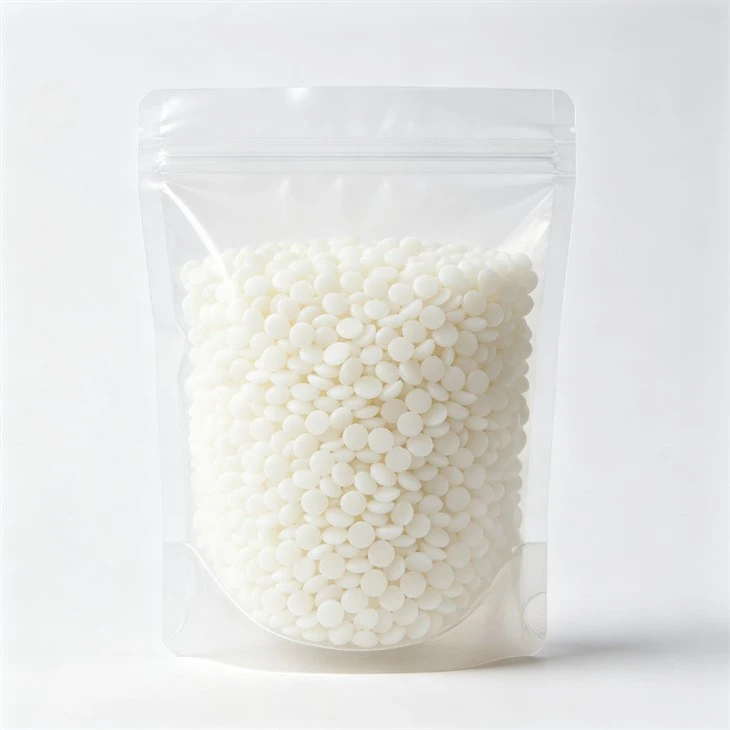
Packed in secure bulk packaging with protective inner liners. Palletized for standard warehouse handling, with stretch-wrap and corner protection for secure transit. Container loading is optimized for both standard and larger-capacity containers; the exact loading configuration is confirmed at order confirmation.
For shipments to destinations with sustained high ambient temperatures, we recommend insulated containers or thermal pallet covers to minimize temperature exposure. We offer optional transit-temperature monitoring: each pallet can carry a temperature logger that records the full shipping profile, so you have evidence if a damage claim arises.
Shelf life and storage conditions are specified on the Certificate of Analysis and product label; follow the recommended storage conditions to maintain product quality throughout the shelf-life period.
Questions Procurement Teams Ask Us
Hot Tags: hard fat 40, China hard fat 40 manufacturers, suppliers, factory