Hard Fat Type 38 - Mid-Melting Suppository Base for Warm-Climate Distribution
Suppositories that melt in the warehouse before they reach the patient are not a quality issue - they are a logistics cost written off as waste. Our Hard Fat Type 38 addresses that problem with a 37–39 °C melting range, giving you a 2–4 °C safety margin over the 35–37 °C grades when shipping to tropical and subtropical markets. The base still melts reliably at body temperature, but it resists the softening that causes deformed suppositories, stuck blister packs, and customer complaints in unrefrigerated supply chains.
We have run this grade through three summer shipping seasons to the Middle East and Southeast Asia without a single deformation claim. If your distribution chain includes ports with 45 °C container temperatures, this is the grade you should be quoting.
Thermal and Chemical Specifications
|
Pharmacopeial Name |
Hard Fat (Mixed Fatty Acid Glycerides), Standard (Industrial) Grade, Type 38 |
|
CAS Number |
136626-73-8 |
|
Pharmacopeial Compliance |
ChP 2025 (Part IV, Excipients) |
|
Melting Range |
30–45 °C, within ±2 °C of labeled value (labeled: 38 °C; ChP General Rule 0612, Method II) |
|
Appearance |
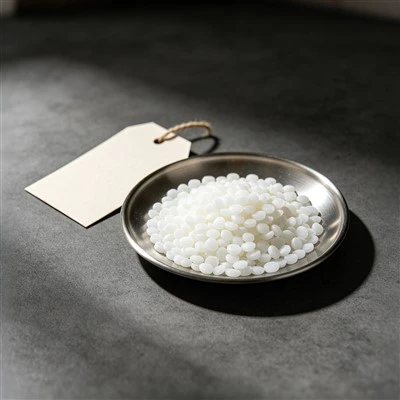
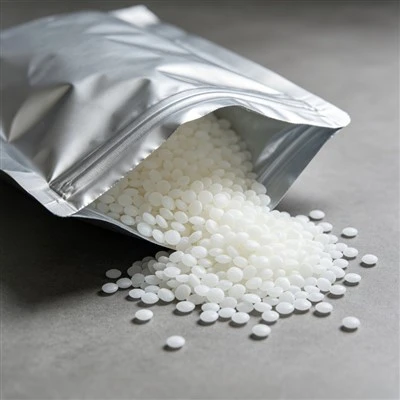
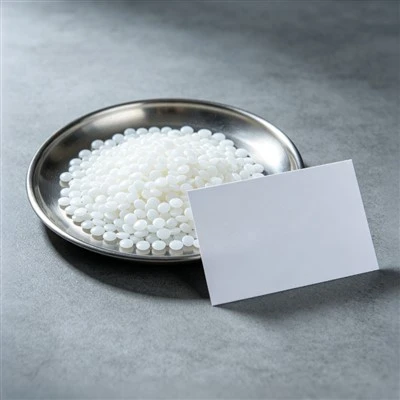
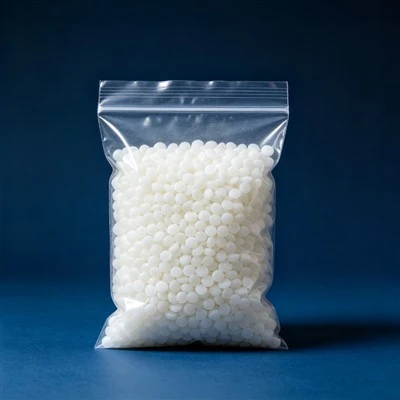
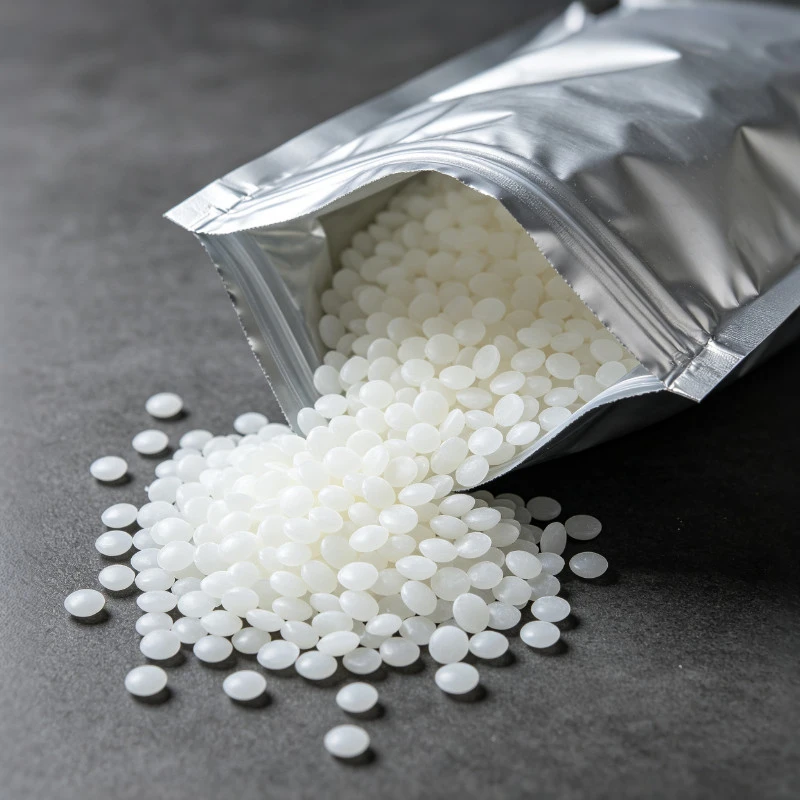
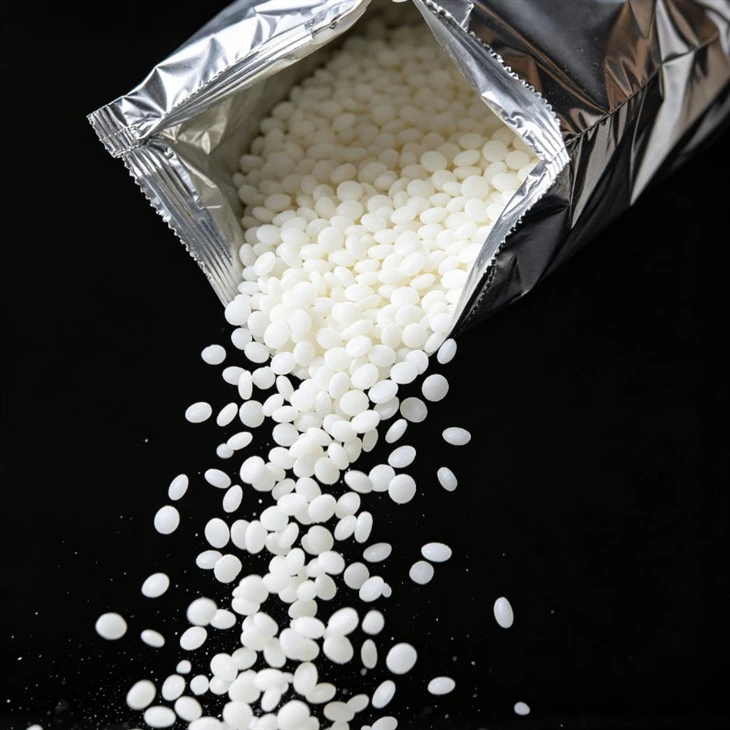
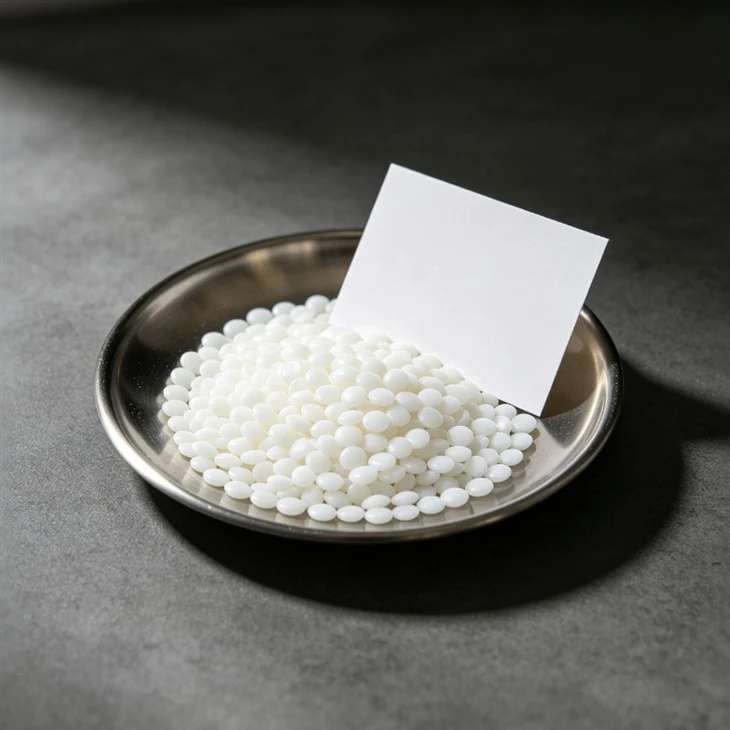
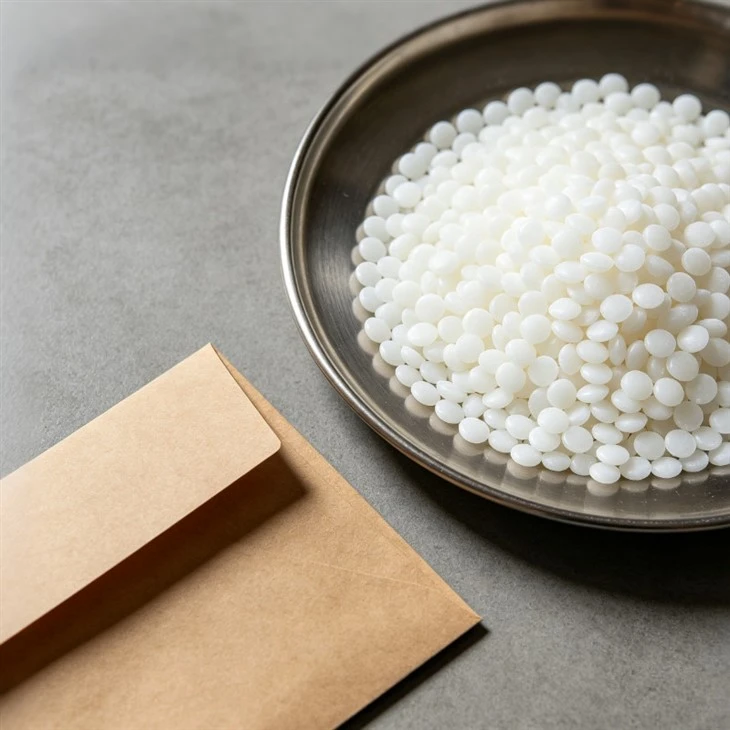
White or almost white waxy solid, faint characteristic fatty odor |
|
Solubility |
Freely soluble in dichloromethane; practically insoluble in water and ethanol |
|
Acid Value |
≤ 0.5 mg KOH/g (ChP General Rule 0713) |
|
Hydroxyl Value |
≤ 50 mg KOH/g, within ±5 of labeled value (labeled: 40); if labeled value < 5, measured value ≤ 5 (ChP General Rule 0713) |
|
Iodine Value |
≤ 2.0 (ChP General Rule 0713) |
|
Peroxide Value |
≤ 3.0 meq/kg (ChP General Rule 0713) |
|
Saponification Value |
215–260 mg KOH/g, 95 %–105 % of labeled value (labeled: 222; ChP General Rule 0713) |
|
Unsaponifiable Matter |
≤ 3.0 % (ChP General Rule 0713) |
|
Alkaline Impurities |
≤ 0.15 ml of 0.01 mol/L hydrochloric acid volumetric solution |
|
Total Ash |
≤ 0.05 % (ChP General Rule 2302) |
|
Heavy Metals |
≤ 20 ppm (ChP General Rule 0821, Method I) [industrial-grade limit] |
|
Category |
Pharmaceutical excipient, suppository base and release modifier |
|
Storage |
Protect from light, store at a temperature at least 5 °C below the labeled melting point |
|
Labeling |
Labeled values of melting point, hydroxyl value, and saponification value shall be stated on the certificate of analysis and packaging |
Built for Supply Chains Where 'Room Temperature' Means 35 °C
2–4 °C safety margin over Type 36
Labeled 38 °C (37–39 °C range) resists the softening that deforms suppositories in unrefrigerated warehouses across the Middle East, Southeast Asia, and Africa. We have run this grade through three summer shipping seasons without a deformation claim.
No polymorphism - unlike cocoa butter
Hard fat does not undergo form conversion during storage, so the melting point and release rate stay consistent from manufacture to expiry. No sudden batch-to-batch solidification shifts that force line recalibration.
Summer shipping guarantee
For orders of 5 tonnes or more, if a confirmed FOB shipment arrives with deformation caused by ambient transit conditions, we replace the affected lot at our cost. This is written into the sales contract - not a courtesy.
Naturally slower release = extended-action fit
The modestly higher melting point gives a 10–15 % slower in vitro release than Type 36. For 8–12 hour extended-action products, this is often exactly the profile you need without adding a release-retarding excipient.
Target Dosage Forms and Markets
Type 38 is the preferred base for rectal analgesic and anti-inflammatory suppositories distributed in warm climates. It is also widely used in veterinary large-animal suppositories where the finished product may sit in farm storage without climate control. The slightly higher melting point means a modestly longer in vivo release onset compared with Type 36, which can be an advantage for sustained-action formulations.
Processing note: melt at 48–52 °C, add API at 40–44 °C, and pour at 39–41 °C. Because the solidification point is 33–36 °C, mold cooling tunnels should be set to 15–20 °C for a 4–6 minute demold cycle. The material is compatible with aluminum, polyethylene, and PVC blister packaging; avoid prolonged contact with copper or brass fittings, which can catalyze oxidation.
Shipping and Storage for Warm-Climate Clients
We offer a summer shipping guarantee for warm-climate grades: if a confirmed FOB shipment arrives with deformation caused by ambient transit conditions, we replace the affected lot at our cost. This guarantee is available for qualifying volume orders and is documented in the sales contract.
Questions Procurement Teams Ask Us
Hot Tags: hard fat 38, China hard fat 38 manufacturers, suppliers, factory