Hard Fat Type 43 - Extra-High-Melting Base for Extended-Release and Extreme-Environment Applications
When 42 °C is not enough, you need Type 43. Our Hard Fat Type 43 carries a 42–44 °C melting range - the highest in our catalog - designed for extended-release rectal formulations and products that must survive the most demanding supply chains on earth. This is not a grade for everyday immediate-release suppositories; it is a specialized tool for formulation teams working on 24-hour delivery systems, veterinary large-animal boluses, and products shipped to regions where "ambient" is a polite word for 45 °C in the shade.
We will be direct: Type 43 requires more formulation work than a standard grade. The higher melting point changes release kinetics, and you will need to validate the in vivo profile carefully. But for the right product, there is no substitute. If your development team is fighting a release-rate problem that lower-melting grades cannot solve, this is the tool to reach for.
Extra-High-Melting Grade Specifications
|
Pharmacopeial Name |
Hard Fat (Mixed Fatty Acid Glycerides), Standard (Industrial) Grade, Type 43 |
|
CAS Number |
136626-73-8 |
|
Pharmacopeial Compliance |
ChP 2025 (Part IV, Excipients) |
|
Melting Range |
30–45 °C, within ±2 °C of labeled value (labeled: 43 °C; ChP General Rule 0612, Method II) |
|
Appearance |
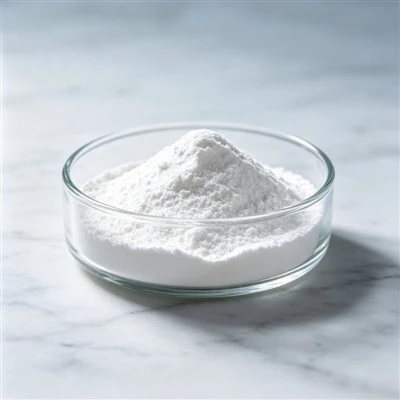
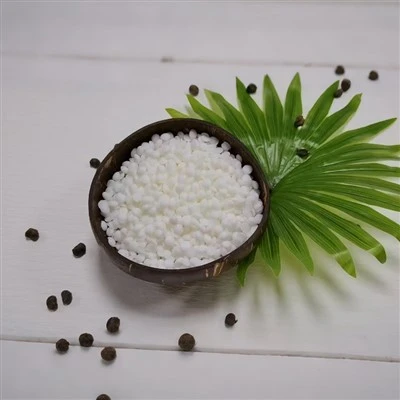
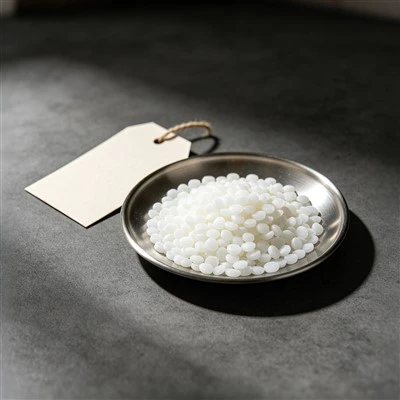
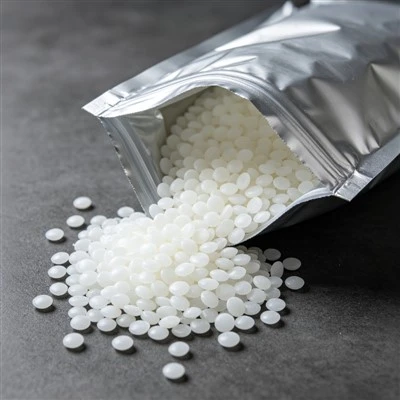
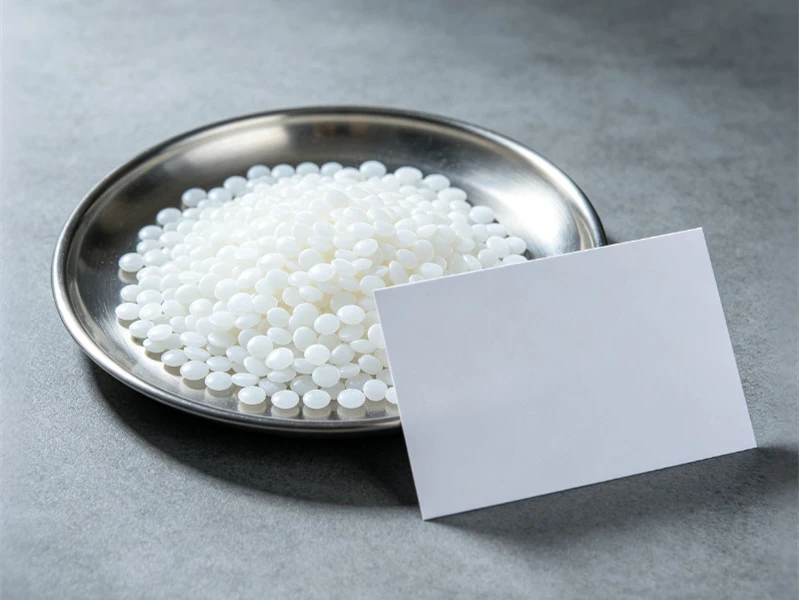
White or almost white waxy solid, faint characteristic fatty odor |
|
Solubility |
Freely soluble in dichloromethane; practically insoluble in water and ethanol |
|
Acid Value |
≤ 0.5 mg KOH/g (ChP General Rule 0713) |
|
Hydroxyl Value |
≤ 50 mg KOH/g, within ±5 of labeled value (labeled: 30); if labeled value < 5, measured value ≤ 5 (ChP General Rule 0713) |
|
Iodine Value |
≤ 2.0 (ChP General Rule 0713) |
|
Peroxide Value |
≤ 3.0 meq/kg (ChP General Rule 0713) |
|
Saponification Value |
215–260 mg KOH/g, 95 %–105 % of labeled value (labeled: 212; ChP General Rule 0713) |
|
Unsaponifiable Matter |
≤ 3.0 % (ChP General Rule 0713) |
|
Alkaline Impurities |
≤ 0.15 ml of 0.01 mol/L hydrochloric acid volumetric solution |
|
Total Ash |
≤ 0.05 % (ChP General Rule 2302) |
|
Heavy Metals |
≤ 20 ppm (ChP General Rule 0821, Method I) [industrial-grade limit] |
|
Category |
Pharmaceutical excipient, suppository base and release modifier |
|
Storage |
Protect from light, store at a temperature at least 5 °C below the labeled melting point |
|
Labeling |
Labeled values of melting point, hydroxyl value, and saponification value shall be stated on the certificate of analysis and packaging |
For When 42 °C Is Not Enough: 24-Hour Release and Extreme Stability
18–24 hour sustained release
Labeled 43 °C (42–44 °C range) creates the slowest-eroding matrix in our standard-grade range. For 24-hour rectal opioids, corticosteroids, and mesalamine maintenance products, this is the grade that lets you hit the release window lower-melting bases cannot reach.
Most transit-stable grade we make
Type 43 will not soften even in unventilated containers in the hottest shipping lanes. No insulated packaging, no thermal blankets, no temperature-logger claims process - it ships like a dry good and arrives like a dry good.
Custom release via blending
Mix Type 43 with Type 36 at 50:50 to 80:20 ratios to achieve your target in vitro release time. We provide preliminary blend recommendations based on your API's lipid solubility and logP - send us the physicochemical data and we will tell you where to start.
Veterinary 72-hour bolus proven
For cattle and horse long-acting boluses where a single administration provides 3 days of drug delivery, Type 43 is the industry standard. The high melting point and firm texture survive rumen conditions and farm storage that destroy lower-melting bases.
Extended Release and Specialized Applications
Type 43 is used in 24-hour extended-release rectal suppositories for opioids (morphine, oxycodone), corticosteroids (hydrocortisone), and mesalamine. The high melting point creates a slow-eroding matrix that delivers drug over an extended period, reducing dosing frequency and improving patient compliance. It is also the base of choice for veterinary large-animal boluses (cattle, horses) where the product must remain intact in farm storage and release slowly in the rumen or rectum.
For human pharmaceutical use, Type 43 is almost always blended with a lower-melting grade (Type 36 or Type 38) to adjust the release rate to the target profile. A typical blend ratio is 40 % Type 43 / 60 % Type 36 for a 12-hour release, or 60 % Type 43 / 40 % Type 36 for a 24-hour release. Our technical team can provide blend compatibility data and recommended processing parameters for common blend ratios.
Processing: melt at 52–58 °C. Ensure API thermostability at this temperature. Pour at 43–46 °C. Mold cooling at 8–12 °C.
Specialty-Grade Supply and Shipping
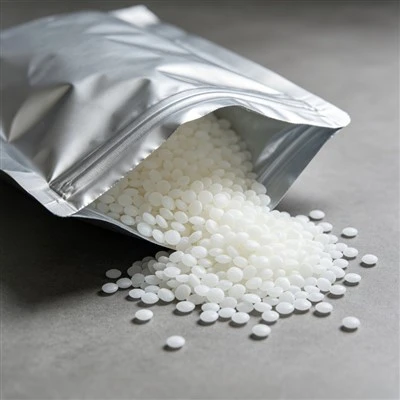
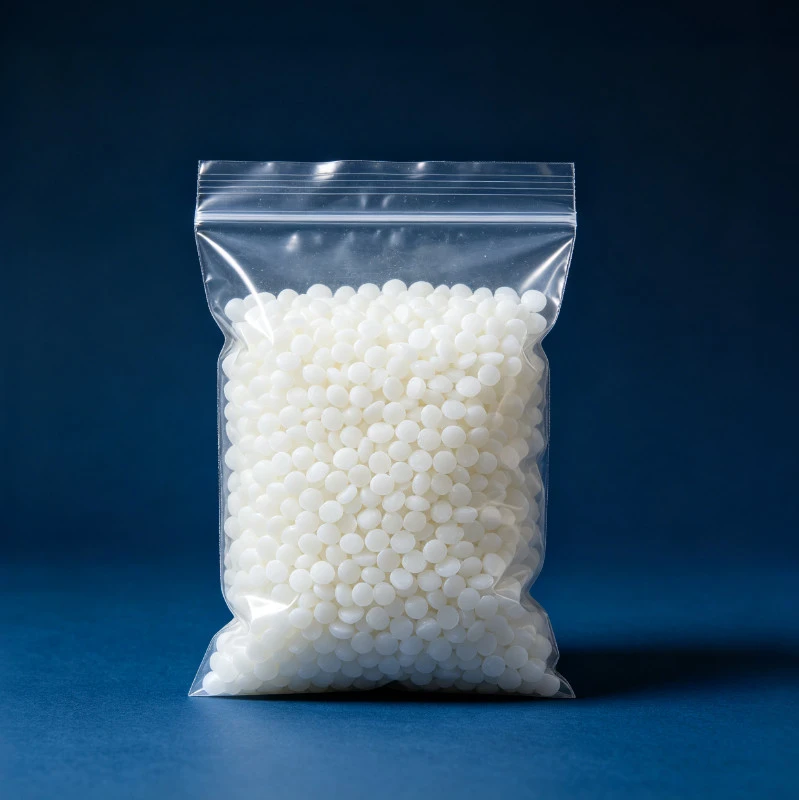
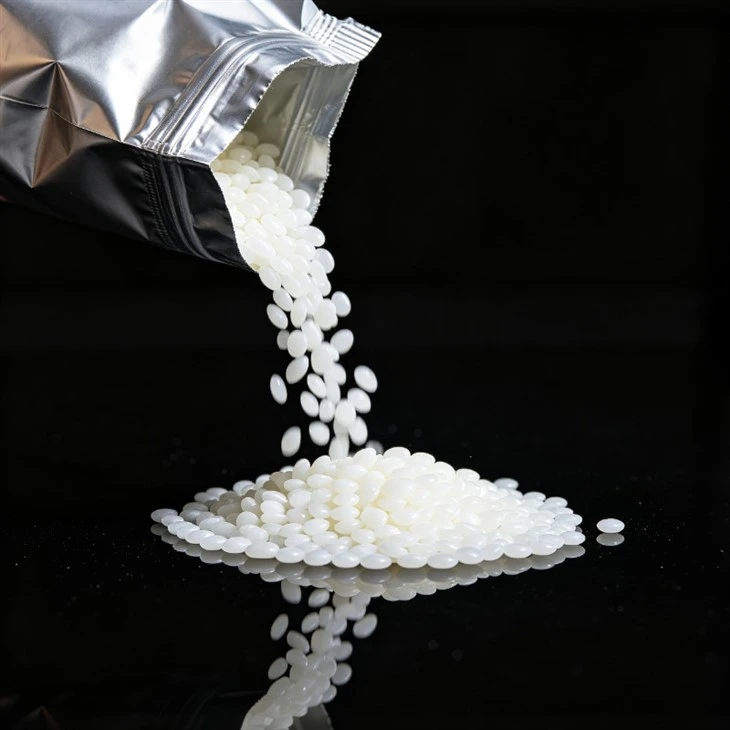
Type 43 is packed in secure bulk packaging with protective inner liners. Thanks to its high melting point, it is the most transit-stable grade in our catalog - it will not soften even in unventilated containers under hot-climate conditions. No special shipping precautions are needed beyond standard dry-goods handling.
Shipments are palletized for standard industrial handling, with stretch-wrap and corner protection for secure transit. Container loading is optimized for both standard and larger-capacity containers; the exact configuration is confirmed upon order placement.
Lead times follow a standard schedule. As Type 43 is produced on a campaign basis, we recommend placing orders in advance to align with your production timeline. Annual-contract clients benefit from dedicated production slots and a price-lock mechanism. Shelf life and storage conditions are specified on the Certificate of Analysis and product label.
Questions Procurement Teams Ask Us
Hot Tags: hard fat 43, China hard fat 43 manufacturers, suppliers, factory