Rice Peptide - Hypoallergenic Plant Source for Infant Nutrition and Sensitive-Consumer Products
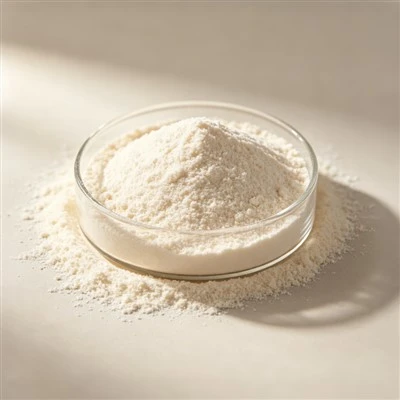
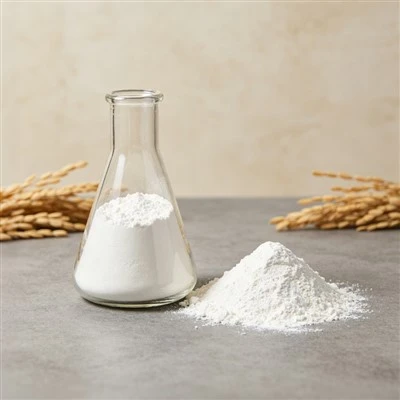
Rice is widely recognized as one of the least allergenic staple foods, making rice-derived peptides the natural choice for products targeting infants, seniors, and consumers with food sensitivities. Our Rice Peptide is produced from rice protein through controlled enzymatic hydrolysis, delivering a low-molecular-weight peptide with excellent water solubility, a neutral flavor, and an exceptionally low allergenicity profile. For brands formulating hypoallergenic nutrition products, rice peptide offers a plant-based protein source that avoids the major allergens associated with soy, dairy, and wheat.
We know that for infant and clinical nutrition products, safety and traceability are not optional - they are the entire product. Every lot of rice peptide comes with full raw-material traceability, heavy-metal testing by ICP-MS, and a detailed allergen statement confirming the absence of the eight major allergens. We omit retail-layer complexity - what you get is a consistent, well-documented bulk ingredient that lets your formulation and QA teams focus on the finished product, not the raw material.
Quality Parameters and Compliance Profile
|
Lead (Pb) |
≤0.5 mg/kg |
|
Arsenic (As) |
≤0.5 mg/kg |
|
Cadmium (Cd) |
≤0.1 mg/kg |
|
Mercury (Hg) |
≤0.1 mg/kg |
|
Total Plate Count |
≤10,000 CFU/g |
|
Yeast & Mold |
≤100 CFU/g |
|
E. coli |
Absent in 25 g |
|
Salmonella |
Absent in 25 g |
|
Standard |
Complies with GB 31645-2018; meets USP/EFSA heavy metal limits |
Why Rice Peptide Is the Safe Choice for Hypoallergenic and Clinical Nutrition
Exceptionally low allergenicity profile
Rice is classified as a low-allergen food and is not among the eight major allergens requiring mandatory declaration in most markets. Our rice peptide is produced in a dedicated production line with strict allergen control, making it suitable for infant formulas, hypoallergenic supplements, and products for consumers with multiple food sensitivities.
Neutral flavor and high clarity in solution
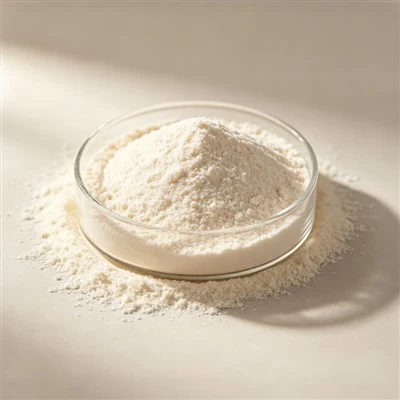
Rice peptide dissolves to a clear, nearly colorless solution with a neutral, non-beany flavor. This means less flavor masking and fewer sweeteners needed in your finished formulation - particularly important for infant and clinical products where taste and appearance are critical acceptance factors.
High digestibility for sensitive digestive systems
Enzymatic hydrolysis breaks rice protein into low-molecular-weight peptides that are readily absorbed without requiring full digestive breakdown. This makes rice peptide suitable for products targeting consumers with compromised digestion, post-illness recovery, or age-related digestive decline - populations where protein digestibility directly affects nutritional outcomes.
Full traceability from grain to peptide
We source rice from qualified, audited suppliers with full chain-of-custody documentation. Every lot is traceable back to the rice variety, origin, and harvest batch. This level of traceability supports your regulatory filings, retailer qualification questionnaires, and consumer-facing transparency initiatives - especially important for infant and clinical nutrition products where provenance is a purchase driver.
Target Applications and Formulation Fit
Rice Peptide is designed for hypoallergenic and clinical nutrition products: infant and follow-on formulas, senior nutrition supplements, post-illness recovery products, elimination-diet protein sources, and hypoallergenic sports nutrition. It is also suitable for plant-based protein blends where a low-allergen base is needed.
Processing note: the peptide dissolves readily in warm water and is compatible with standard infant-formula processing conditions, including spray drying and UHT treatment. It blends well with other hypoallergenic ingredients such as rice starch, maltodextrin, and medium-chain triglycerides. For clinical products, we can provide additional documentation on amino acid profiling, allergen cross-contamination risk assessments, and stability data to support your regulatory submissions.
Bulk Supply, Packaging, and Shipping for Ingredient Buyers
Because plant peptide is a stable dry powder, no cold-chain transport is required - it ships as a standard dry good, which keeps your landed cost predictable. Lead times are prompt for stock grades and follow a standard schedule for custom specification batches. We maintain a dedicated safety stock of fast-moving grades to cover emergency orders. Shelf life and storage conditions are specified on the Certificate of Analysis and product label.
Questions Procurement Teams Ask Us
Hot Tags: hydrolyzed rice peptide, China hydrolyzed rice peptide manufacturers, suppliers, factory