As an important raw material for the pharmaceutical, health care and cosmetics industries, animal extracts occupy an important position in global trade. Their unique physical and chemical properties put forward special requirements for logistics and transportation. Understanding these characteristics will help optimize supply chain management and ensure that products are delivered to their destinations safely and efficiently.
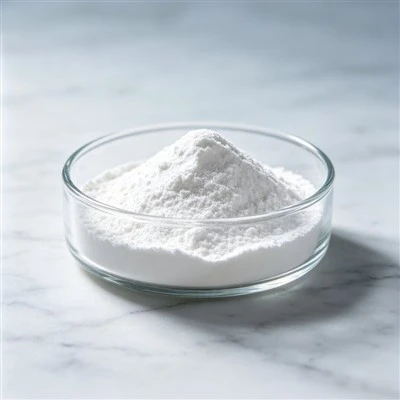
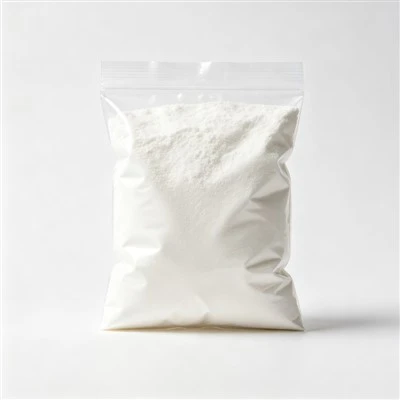
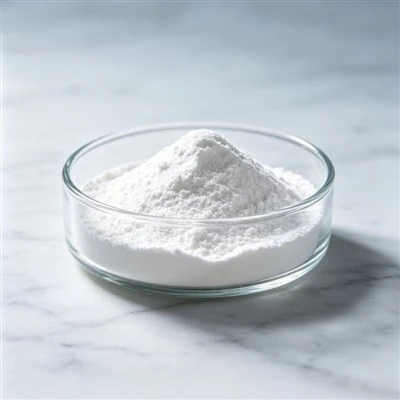
Animal extracts usually exist in powder, liquid or freeze-dried forms, and the logistics requirements of different forms vary significantly. Powdered extracts are easy to absorb moisture and agglomerate, so moisture-proof packaging is required and the humidity of the transportation environment is controlled; liquid extracts may cause stratification or precipitation due to temperature changes, and cold chain transportation becomes the key; although freeze-dried products are more stable, repeated freezing and thawing must be avoided. In addition, some highly active ingredients are sensitive to light and oxygen, and light-proof containers and inert gas protection are required.
Temperature control is one of the core challenges of animal extract logistics. Most products need to be transported in a refrigerated state of 2-8°C, and a few heat-sensitive raw materials even require freezing conditions of -20°C. Foreign trade companies need to choose logistics service providers with professional temperature control equipment and monitor temperature records throughout the process to avoid product failure due to temperature fluctuations. In recent years, the application of Internet of Things technology has made real-time temperature control data tracking possible, greatly improving transportation reliability.
The choice of packaging materials directly affects transportation safety. Double-layer sealed containers with desiccant can effectively prevent powder from getting wet; leak-proof outer packaging can prevent liquid leakage from contaminating other goods; for high-value products, the combination of shock-proof cushioning materials and GPS positioning packaging further reduces transportation risks. Packaging certification that meets international standards (such as UN certification) is also a prerequisite for cross-border transportation.
Customs compliance should not be ignored either. Animal extracts may involve endangered species ingredients or biosafety restrictions. Before export, it is necessary to confirm the access requirements of the target market and prepare complete ingredient descriptions, production process documents and inspection and quarantine certificates. Some countries require a third-party test report to prove that the product is free of pathogen contamination or heavy metals exceed the standard.
With the deep integration of the global pharmaceutical industry chain, the logistics demand for animal extracts continues to grow. Foreign trade practitioners need to comprehensively consider product characteristics, transportation timeliness and regulatory requirements, and choose reliable logistics solutions to win market advantages in fierce international competition.