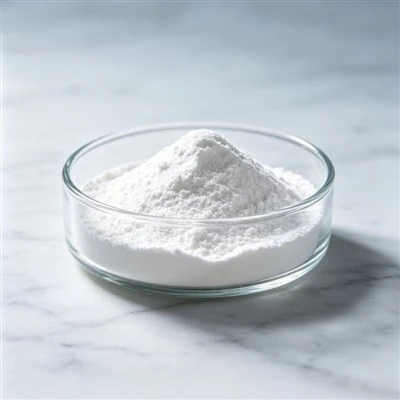
In recent years, with the rise of healthy consumption trends, collagen peptides, as an important functional raw material, have continued to grow in demand in the fields of food, health products and cosmetics. Its unique biological activity and easy absorption make it a popular ingredient in the global health industry. This article will explore the main extraction methods of collagen peptides and their market application status.
Collagen peptides are small molecule protein fragments extracted from animal connective tissues (such as fish scales, fish skin, cattle bones or pig skin). Their molecular weight is usually less than 5000 Daltons, which is convenient for direct absorption by the human body. At present, the mainstream extraction methods include acid method, alkali method, enzymatic method and modern biotechnology extraction method.
Acid method and alkali method are traditional extraction processes. The raw materials are treated with strong acid or strong alkali to destroy the triple helix structure of collagen, and then the collagen peptides are obtained through neutralization, filtration and other steps. This method is low in cost, but it may destroy some active ingredients and cause greater environmental pollution, so it is gradually replaced by more environmentally friendly technologies.
Enzymatic method is one of the most widely used extraction methods. Mild hydrolysis of the raw materials by specific proteases (such as alkaline proteases and neutral proteases) can not only efficiently release collagen peptides but also retain their biological activity. This method has mild conditions, high efficiency, and good product safety, which is suitable for large-scale production.
In recent years, modern biotechnologies such as supercritical fluid extraction, membrane separation technology, and microbial fermentation have also been introduced into the production of collagen peptides. These technologies further improve the extraction efficiency and product purity while reducing energy consumption and pollution. For example, the microbial fermentation method directly synthesizes collagen peptides through genetically engineered bacteria, avoiding the limitation of animal raw materials and conforming to the trend of sustainable development.
From the perspective of market application, collagen peptides are widely used in oral beauty products, sports nutrition supplements, and skin care products. With the increasing demand of consumers for natural, efficient and healthy products, the market prospects of collagen peptides are broad. In the future, with the continuous optimization of extraction technology and the reduction of costs, its application range will be further expanded.
The extraction technology of collagen peptides is developing in the direction of high efficiency, environmental protection and intelligence, providing more possibilities for the global health industry.