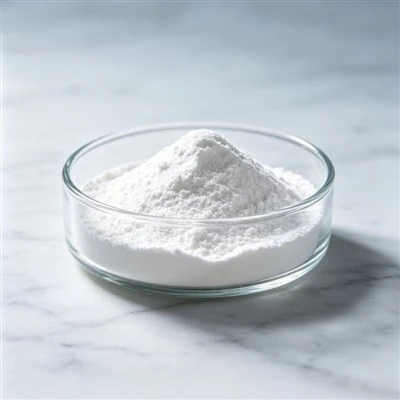
Animal extracts are substances with specific functions obtained by separation and purification from animal tissues, organs or secretions by physical, chemical or biotechnological means. They are widely used in medicine, food, cosmetics and other fields. Its process involves multiple links such as raw material processing, extraction, separation and purification, and drying. Each step is crucial to the quality and activity of the final product.
Raw material pretreatmentis the first step of the process. Animal raw materials must be strictly screened to ensure that the source is legal and compliant, and impurities, fat and non-target tissues must be removed. Some raw materials need to be frozen to maintain the stability of active ingredients, and then washed, crushed or homogenized to increase the surface area to improve the subsequent extraction efficiency.
The extraction processusually uses solvent extraction, water extraction or enzymatic hydrolysis. Solvent extraction uses organic solvents (such as ethanol and acetone) to dissolve the target components, which is suitable for fat-soluble substances; water extraction uses hot water or acid-base solutions to extract water-soluble components, such as collagen or peptides; enzymatic hydrolysis technology uses specific enzymes to decompose proteins and release active peptides. In this stage, temperature, pH value and time must be strictly controlled to avoid degradation of target components.
Separation and purification is a key step to improve product purity. Commonly used techniques include centrifugation, filtration, ultrafiltration and chromatography. Centrifugation can remove large particle impurities; ultrafiltration can retain target molecules through membrane separation; chromatography techniques (such as ion exchange, gel filtration) can further separate single components in complex mixtures. Some high value-added products also need to be concentrated by freeze drying or spray drying.
Drying and packaging directly affect the storage stability of the product. Freeze drying can retain heat-sensitive ingredients to the maximum extent, while spray drying is suitable for large-scale production. The finished product needs to be sealed and packaged under the protection of inert gas to avoid oxidation or moisture absorption.
With the advancement of biotechnology, the preparation process of animal extracts is developing in the direction of efficiency and greenness. Strict process control and quality testing ensure the safety and efficacy of the product and meet the international market's demand for natural raw materials.