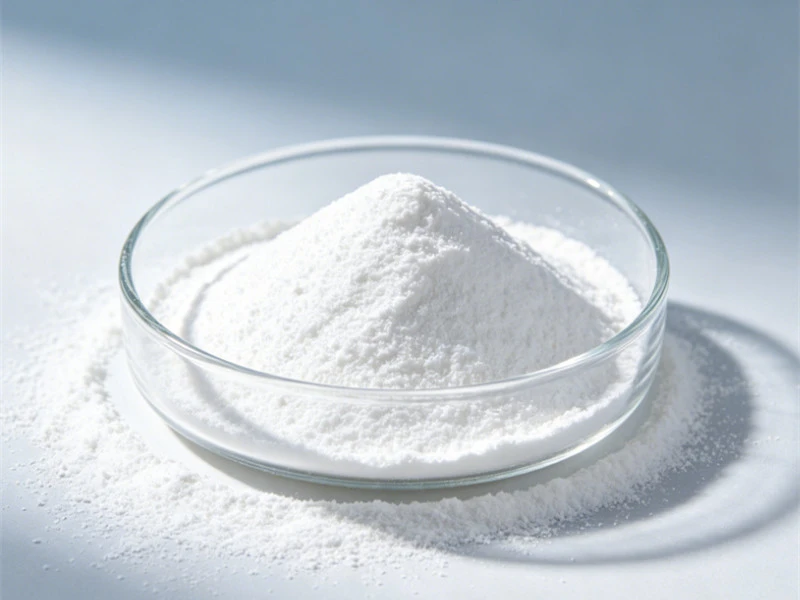
Freshwater Bass Collagen Peptide - Farmed Largemouth Bass Skin Peptide with a Low Marine-Heavy-Metal Profile
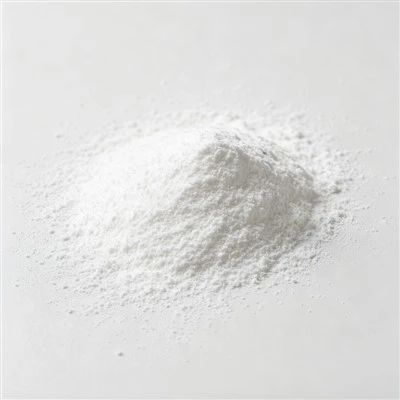
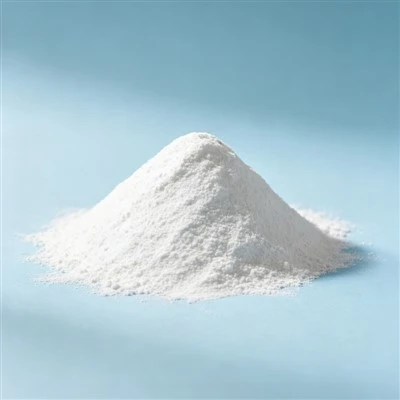
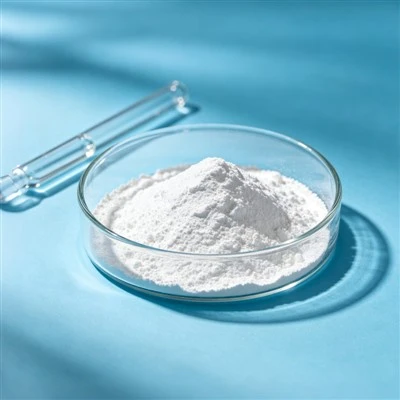
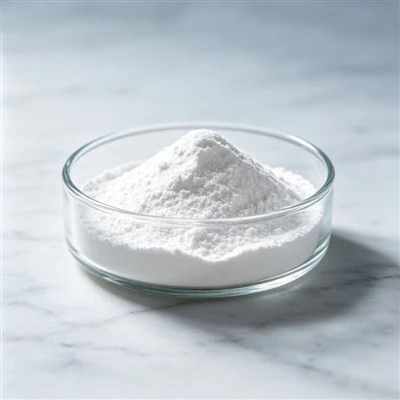
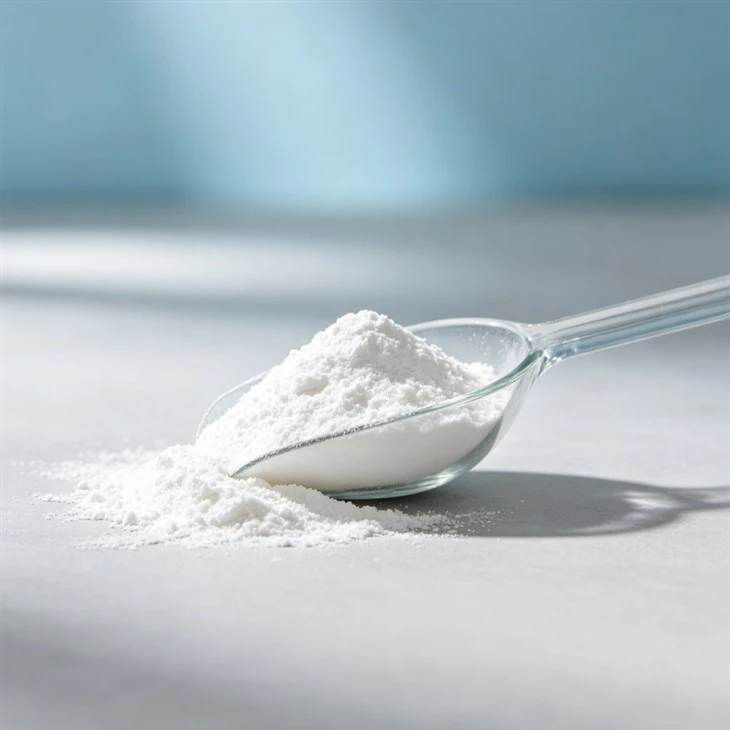
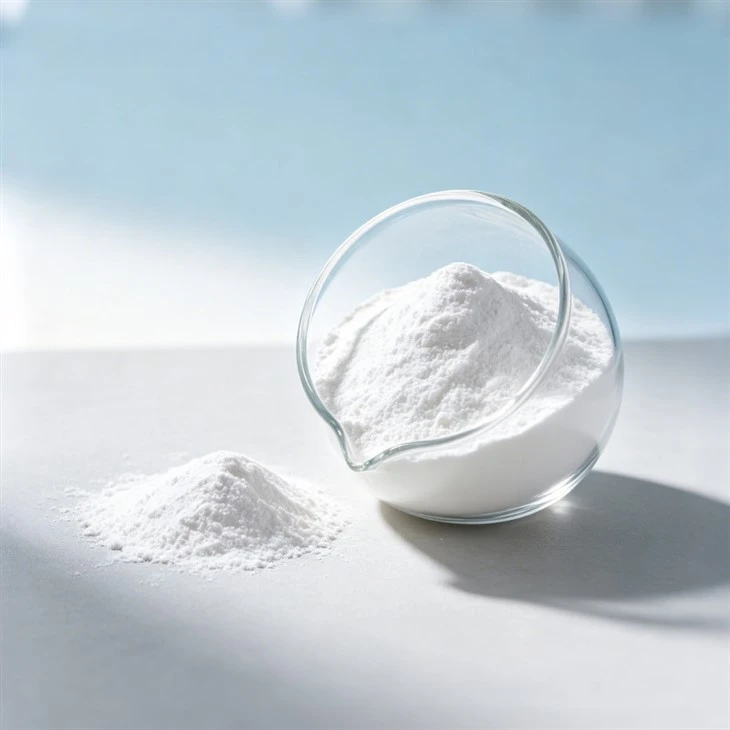
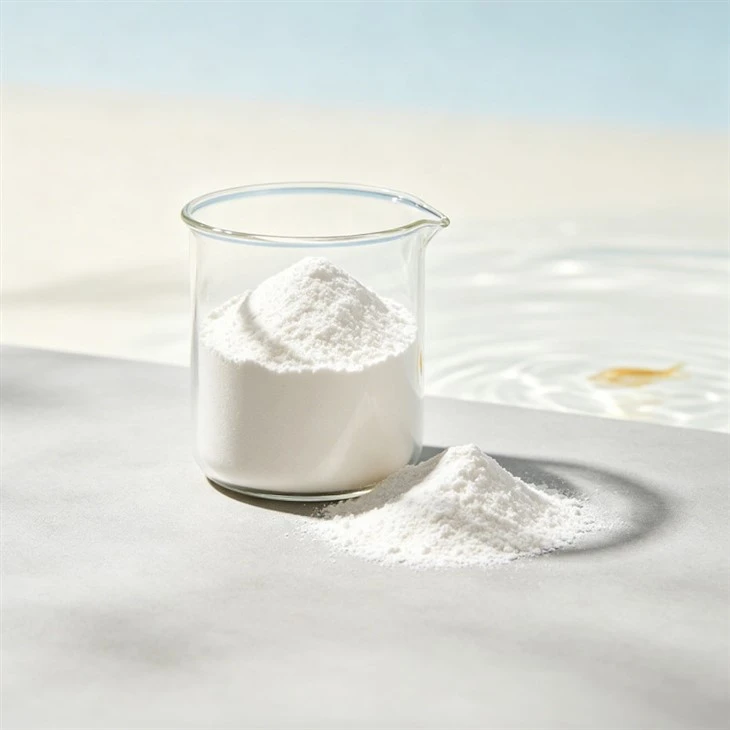
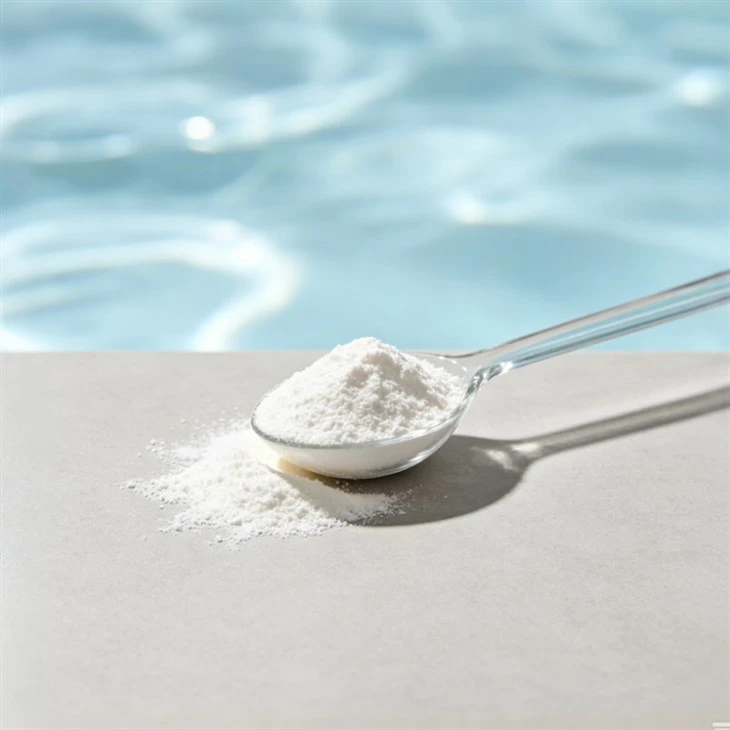
Freshwater Bass Collagen Peptide is made from the skin and scales of farmed largemouth bass (Micropterus salmoides, known as California bass in East Asian inland aquaculture), enzymatically cleaved to a sub-1,000 Da fraction and dried to an off-white, low-odor powder. Because the fish lives in inland pond water rather than the ocean, the methylmercury and deep-sea heavy-metal conversation that buyers raise about cod-skin and salmon-skin peptide does not follow this ingredient. The skin is thicker and more collagen-dense than tilapia skin, which is why the powder runs whiter and tastes cleaner than the commodity tilapia layer.
Two practical points up front. Freshwater fish does carry a lower histamine and volatile-basic-nitrogen risk than pelagic marine fish, but we still test every lot because skin spoilage starts at the pond, not at the dryer. Bass fillets are the commercial product and the skin is a by-product, so raw-skin supply follows fillet-processing schedules and can tighten around the peak summer eating season. Hydroxyproline is a measured band on the COA rather than a fixed catalog number.
Technical Specifications - Freshwater Largemouth Bass
|
Product Name |
Freshwater Bass Collagen Peptide Powder |
|
Latin Binomial |
Micropterus salmoides (largemouth bass / California bass) |
|
Raw Material Source |
Farmed inland freshwater bass skin and scales, traceable to registered pond aquaculture |
|
Source Type |
Freshwater, non-marine (inland pond aquaculture) |
|
Regulatory / Compliance |
GB 31615; Halal and Kosher on request; non-marine origin statement available |
|
Appearance |
Off-white to pale cream fine powder; no clumps after re-sieving |
|
Odor and Flavor |
Mild, neutral; no ammonia, no rancidity, no strong fishy note |
|
Protein (dry basis) |
≥ 90.0 % |
|
Hydroxyproline Content |
≥ 8.0 %, measured per batch |
|
Molecular Weight |
Average ≈ 500 Da; < 1,000 Da ≥ 80.0 %; < 3,000 Da ≥ 95.0 % |
|
Moisture |
≤ 7.0 % |
|
Total Ash |
≤ 3.0 % |
|
Fat |
≤ 1.0 % |
|
Whiteness (Hunter L*) |
≥ 88 |
|
Cold-Water Solubility |
≥ 99 % at 25 °C |
|
TVB-N / Histamine |
≤ 30 mg/100 g / ≤ 5 mg/kg |
|
Total Plate Count |
≤ 5,000 CFU/g |
|
Heavy Metals (Pb / As / Hg / Cd) |
≤ 1.0 / 1.0 / 0.05 / 0.1 mg/kg |
|
Storage and Shelf Life |
Cool, dry, sealed; away from strong odors; 18 months sealed |
What a Freshwater Origin Changes for the Buyer
Inland pond origin, low methylmercury baseline
Ocean-dwelling fish accumulate methylmercury over a long life cycle; pond-farmed bass do not. We hold Hg at ≤ 0.05 mg/kg - half the marine-peptide limit - and can print a non-detect mercury statement for customers shipping to the EU, US or Middle East where marine-fish mercury is a frequent screening question.
Thick bass skin, high whiteness, clean taste
Compared with tilapia skin, bass skin yields a whiter (L* ≥ 88) and cleaner-tasting powder, which is why it drops into clear peach, lychee or white-grape beauty RTDs without the yellow cast and muddy note that commodity tilapia peptide leaves behind.
Sub-1,000 Da fraction, absorbed quickly
At ≈ 500 Da average the bulk lands in the di- to pentapeptide range, the size class associated with faster uptake of Gly-Pro-Hyp and related fragments. It is the fraction customers spec when the front label says "hydrolyzed fish collagen peptide" rather than generic "collagen hydrolysate".
Closed inland traceability, no marine catch logistics
Every campaign maps back to specific pond farms and fillet-processing dates on the inland value chain. There is no ocean catch documentation, no by-catch statement and no seasonal migration variable - a simpler file for auditors and a steadier supply than wild marine-skin sourcing.
Application Design for Beauty, Joint and Recovery Products
Where freshwater-fish ingredients carry a more familiar consumer perception than marine fish. The secondary use is joint and mobility: 10 g daily sachets paired with glucosamine or MSM, and sports recovery blends combined with whey or pea protein. A smaller channel is topical masks at 1–3 % where a soluble, low-molecular-weight ingredient supports skin-conditioner claims.
Combination systems that work: collagen peptide plus 100–200 mg vitamin C for endogenous synthesis, plus hyaluronic acid or elastin for skin claims, plus MSM or glucosamine for joint claims. Daily serving is 2.5–10 g depending on the claim tier; RTD inclusion is typically 0.5–1.0 %. Keep strong oxidizers and high-dose tannins out of the same sachet to avoid browning over shelf life.
Processing note: Disperse in cold or lukewarm water (< 40 °C) under moderate shear; prolonged heating above 70 °C accelerates Maillard browning with any reducing sugar. Stable across pH 4.0–7.5; in pH < 3.5 acidic RTDs, run a 3-month clarity and precipitation hold before commercialization.
Packaging, Logistics and Commercial Terms
Standard lead time is 20–30 working days after order confirmation, with a possible extension in the summer fillet season when skin supply tightens. Annual contracts secure a hydroxyproline band, a fixed L* floor and reserved campaigns; retained samples are held 24 months for audit.
Questions Procurement Teams Ask Us
Hot Tags: bass collagen peptide, China bass collagen peptide manufacturers, suppliers, factory